Microsoft
Building Confident Managers and Stronger Teams
First-time managers at Microsoft needed more than soft-skills slides, 83% credited outbound training with giving them real leadership confidence
Microsoft's new managers were promoted for individual excellence, but leading people required a different skill set classroom slides had not built.
Microsoft had a cohort of new managers who were technically strong but emotionally unprepared for the shift from individual contributor to people leader. They were unsure how to delegate without micromanaging, how to give feedback without damaging relationships, and how to project authority without shutting down approachability.
Previous learning and development had relied on classroom sessions about soft skills and leadership frameworks, useful language, but not enough practice. Managers still felt awkward in real one-on-ones, team meetings, and conflict moments. Morale on some teams dipped because reports could sense hesitation at the top.
GoTezU designed a leadership training program that closed the theory-to-practice gap, with outbound training (OBT) as a core delivery mechanism. Eighty percent of managers reported feeling better equipped to lead; eighty-three percent said OBT specifically helped them lead with confidence. Team productivity rose 19% and employee satisfaction climbed 24% in internal surveys, evidence that manager L&D can move business metrics when it is experiential.
Delegation, feedback, and approachability sat in tension, and traditional soft-skills training was not closing the gap.
New managers at Microsoft were struggling to lead effectively in day-to-day situations, not in theory, but in the moments that define team culture: assigning work, correcting mistakes, running difficult conversations, and staying approachable under deadline pressure.
Communication often landed wrong, too strict on some days, too soft on others, which created confusion about expectations and eroded trust. Teams hesitated to escalate problems because they were unsure how managers would respond.
Traditional corporate soft-skills training focused on classroom delivery of leadership models. Managers could recite concepts but still found it tough to balance being a leader with being human when stakes were high. Learning and development needed to simulate those stakes safely.
Microsoft's L&D stakeholders recognized that first-time manager programs fail when they treat leadership as information transfer rather than behavioral rehearsal. They needed a partner who could build confidence through practice, including outbound formats that mirror real team dynamics.
GoTezU combined leadership development with outbound training so managers practiced real decisions under pressure, not just discussed them.
Leadership fundamentals with context, GoTezU anchored the program in the situations Microsoft managers actually face: delegating across hybrid teams, giving feedback after missed deadlines, and resetting tone when a conversation goes sideways. Content connected soft-skills language to Microsoft's operational reality, not generic management platitudes.
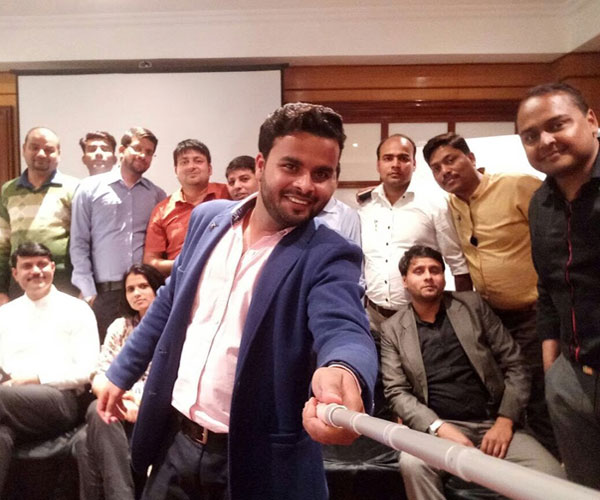
Outbound training for real confidence, Eighty-three percent of new managers credited outbound training (OBT) with helping them lead with confidence. Adventure-based and experiential modules put managers in collaborative challenges where they had to delegate, listen, and decide in real time, the same muscles they use with direct reports, but with immediate facilitator feedback.
Feedback and delegation practice, Structured role-play and team exercises focused on the two skills managers struggled with most: assigning ownership without abdicating accountability, and delivering feedback that is clear without being crushing. Peers coached each other, which normalized the awkwardness every first-time manager feels.
Approachability without losing authority, Sessions addressed the false binary many new leaders fall into, either being everyone's friend or being the enforcer. Managers practiced language and presence that keeps standards high while staying open to input, which directly supports the employee satisfaction gains Microsoft tracked post-program.
Internal surveys tracked confidence, productivity, satisfaction, and OBT impact, four signals that the program changed behavior, not just sentiment.
Managers felt better equipped to delegate, give feedback, and lead their teams with confidence
Team productivity boost driven by clearer communication and stronger collaboration
Rise in employee satisfaction measured through internal surveys
New managers said outbound training helped them lead with confidence in real situations
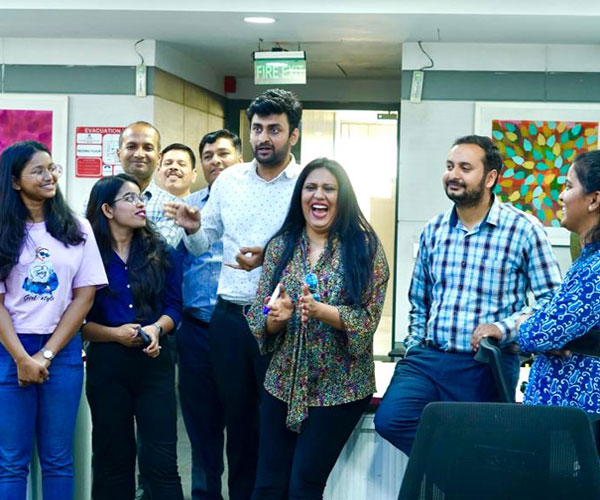
Microsoft managers now lead with clearer communication, stronger teams, and fewer morale-draining misunderstandings.
Managers became more confident delegating and giving feedback. Teams worked better together with fewer misunderstandings and more open communication. Morale improved as managers created supportive, collaborative environments instead of reactive firefighting.
For HR and L&D leaders, the inference is straightforward: new-manager programs that combine soft-skills instruction with outbound experiential learning produce measurable shifts in productivity and satisfaction, because confidence is built through doing, not downloading slides.
If your organization promotes high performers into management, this case study shows why experiential L&D beats classroom-only leadership courses.
- First-time manager training must include experiential practice, classroom soft-skills theory alone rarely changes delegation or feedback behavior.
- Outbound training (OBT) correlates strongly with leadership confidence; Microsoft's 83% figure shows why L&D teams should not treat OBT as a nice-to-have add-on.
- Delegation clarity and feedback quality are measurable leadership outcomes, track them alongside employee satisfaction to prove manager development ROI.
- Balancing authority with approachability is a learnable skill when managers rehearse it under facilitator guidance, not when they read about it in a workbook.
Ready to start?
Get results like Microsoft.
Share your team size, location, and objectives, GoTezU will scope a soft skills training program matched to your goals.