
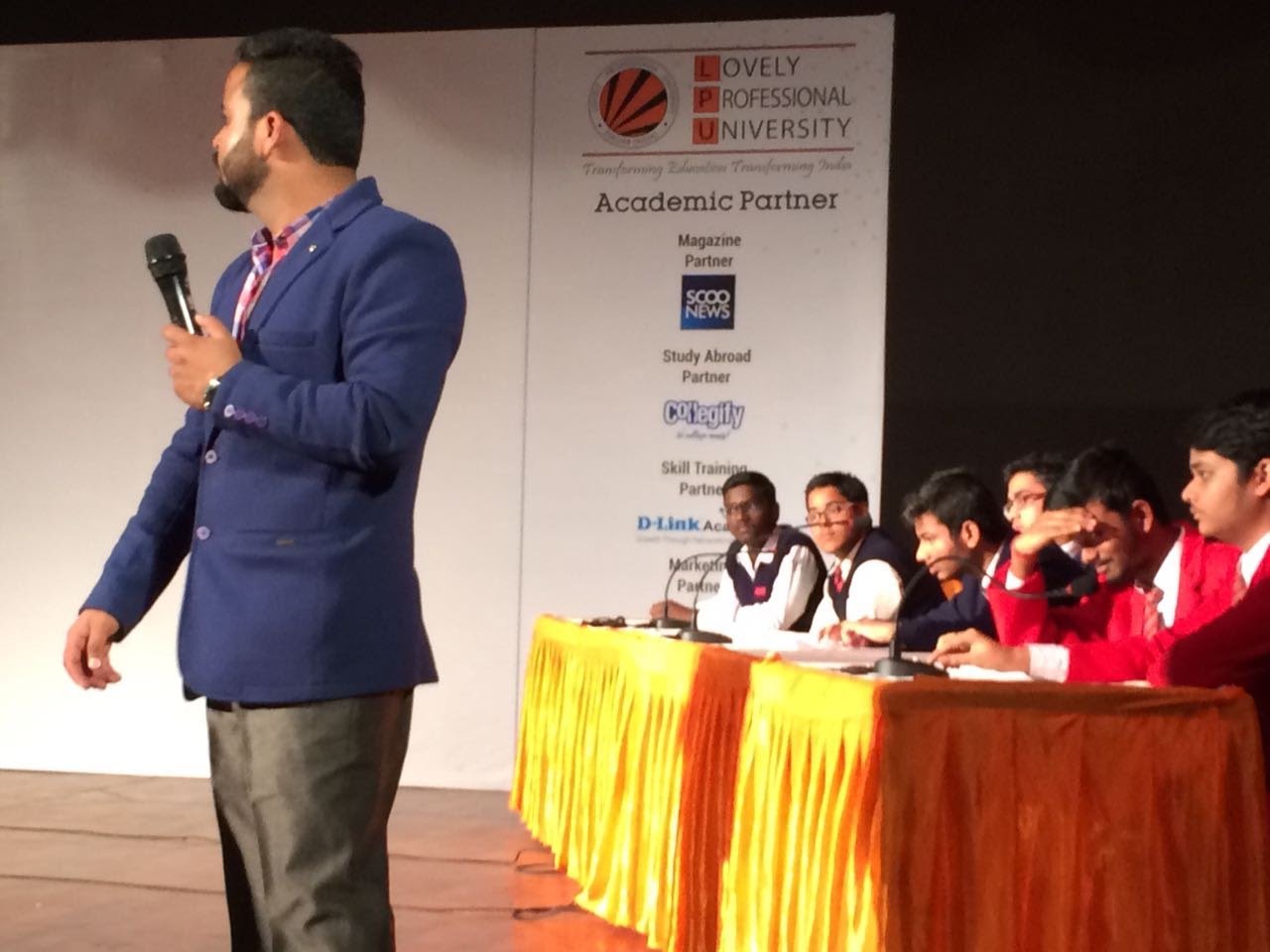
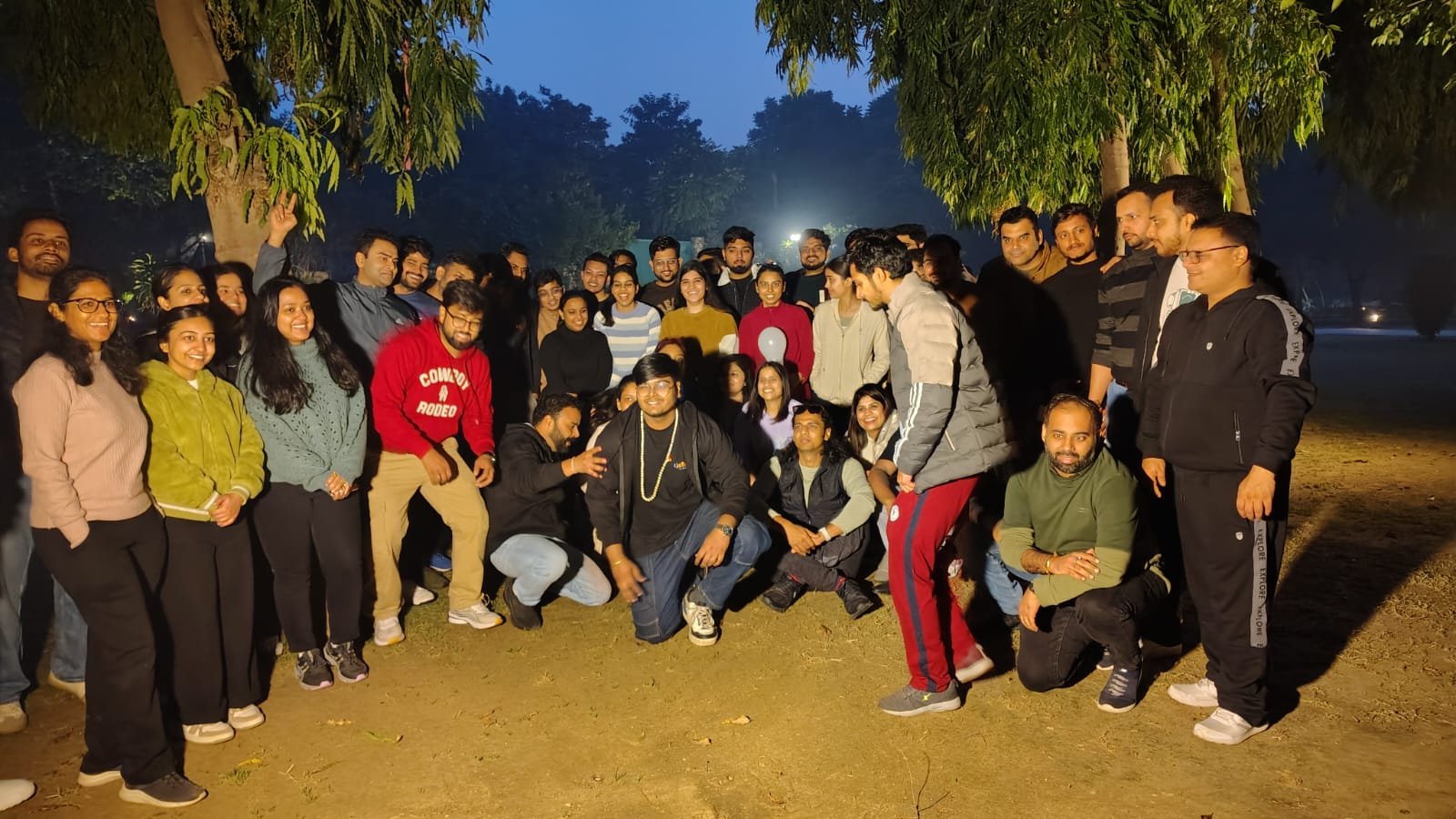
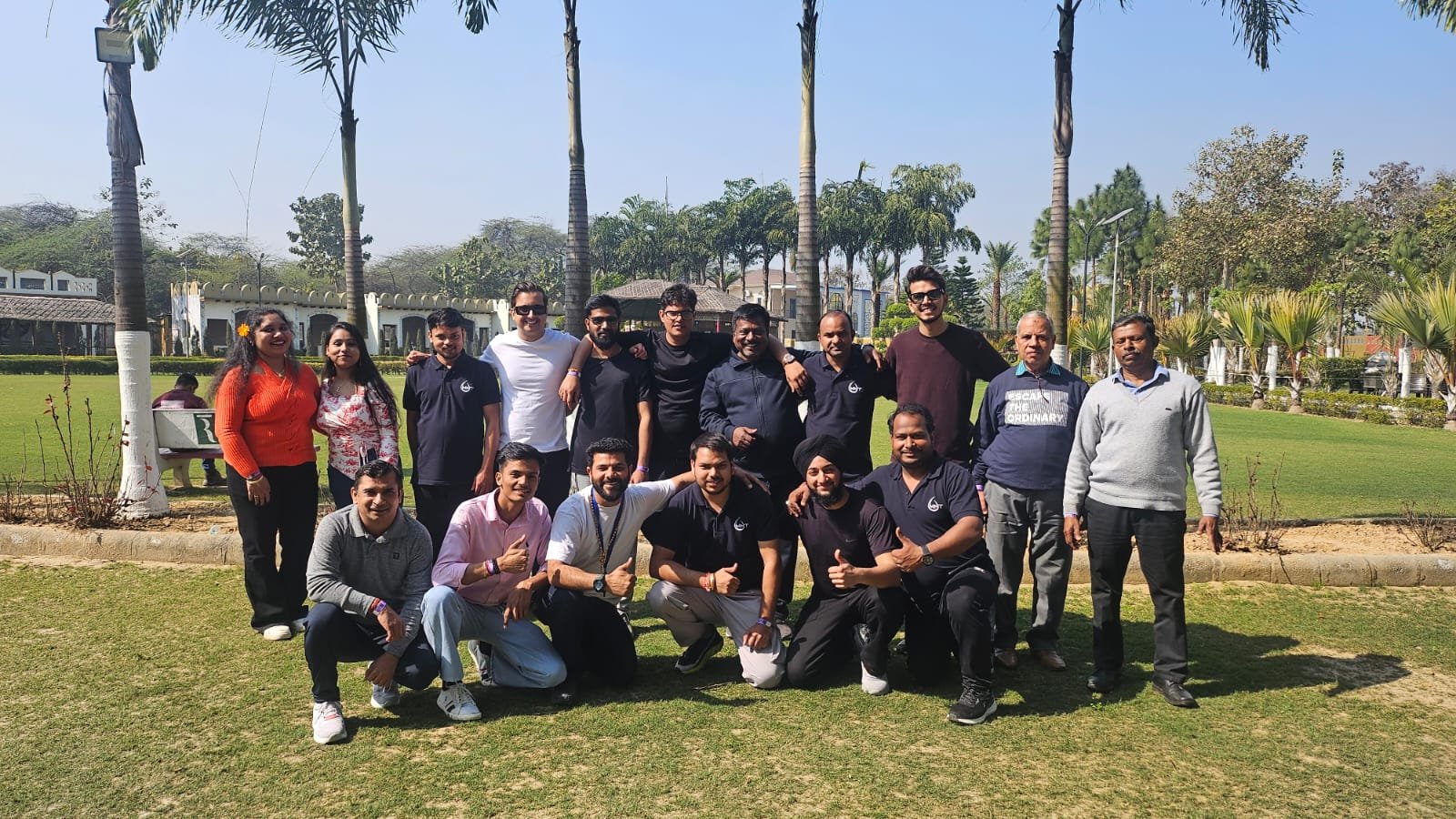
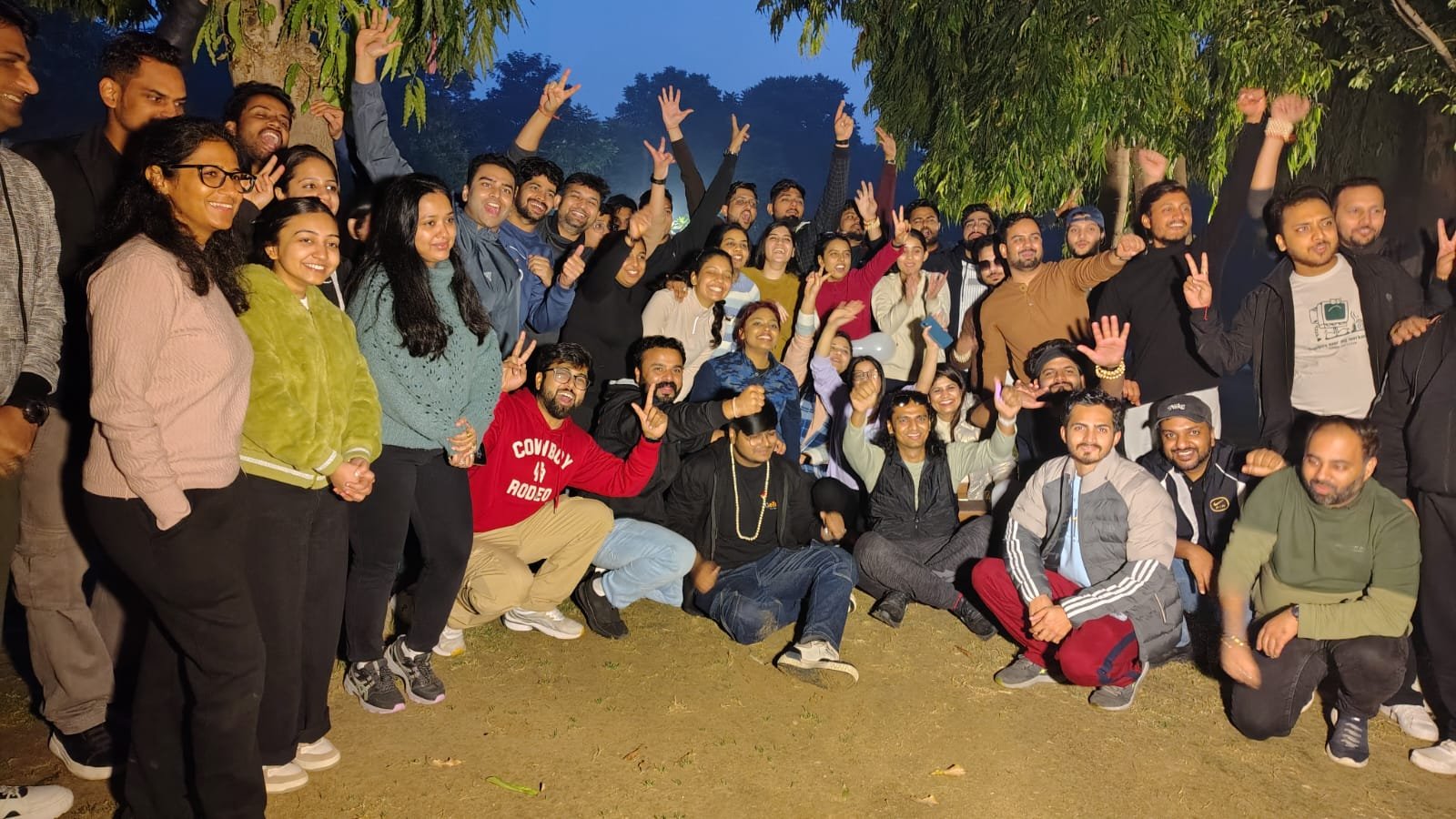
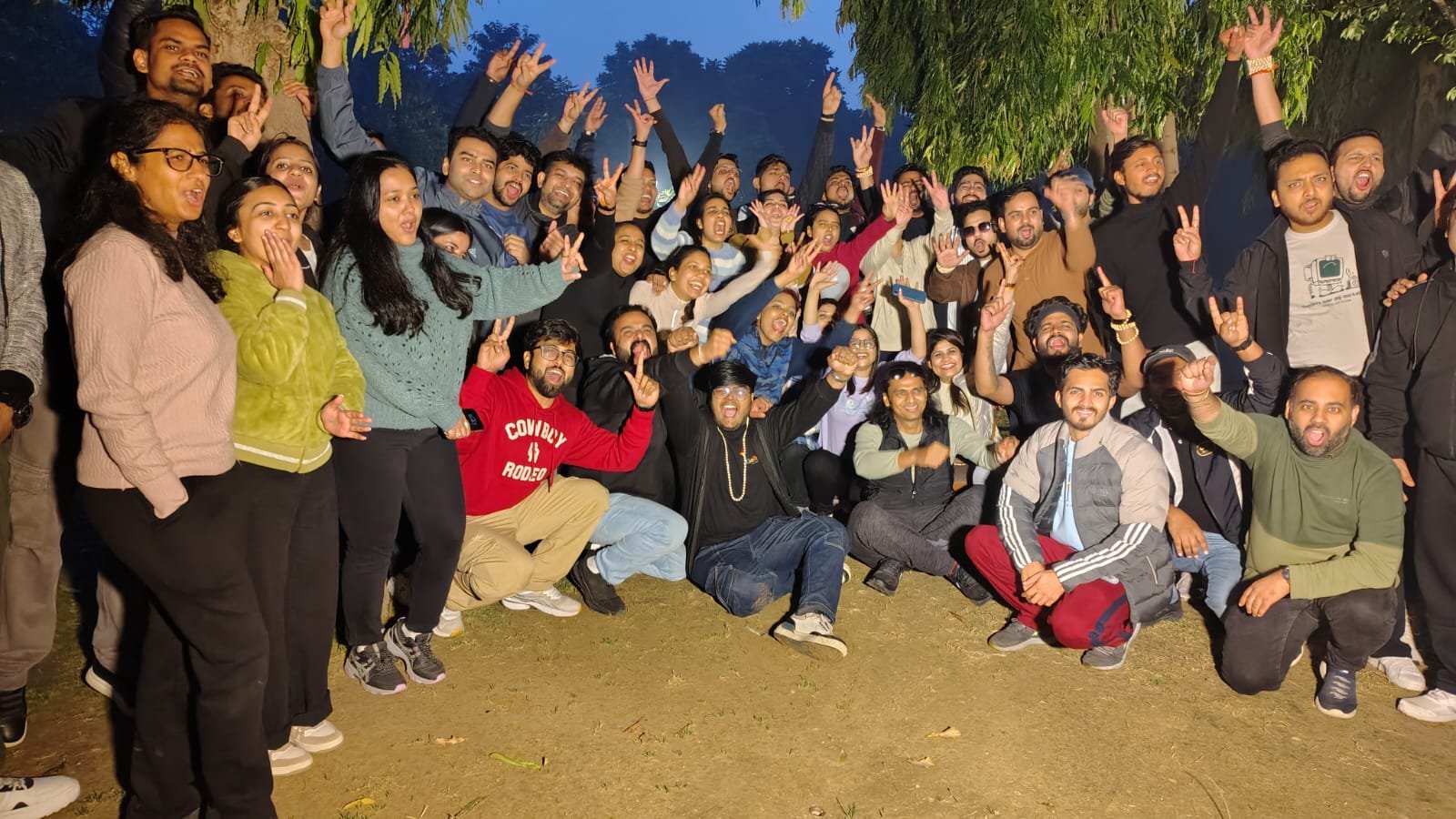
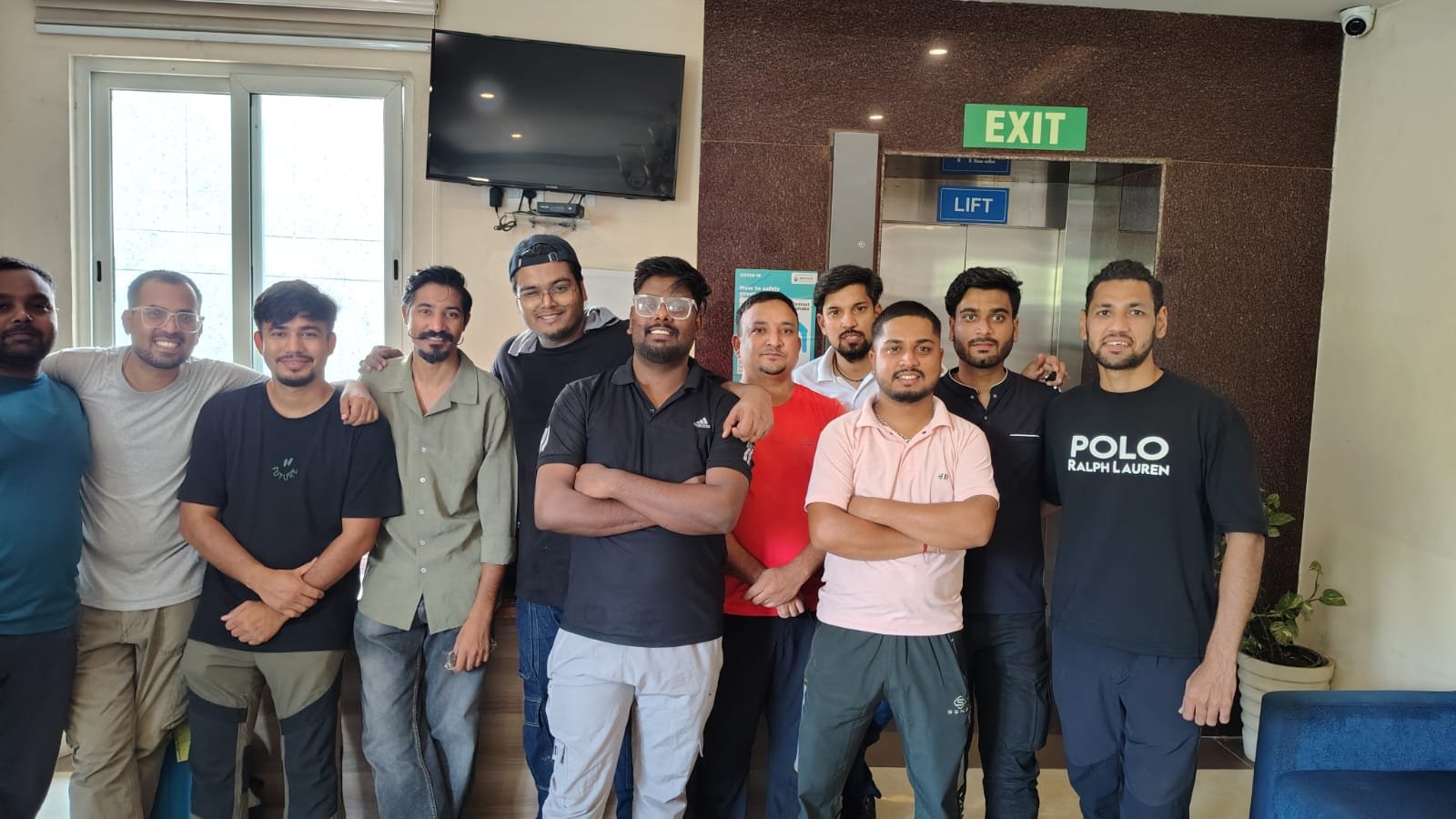
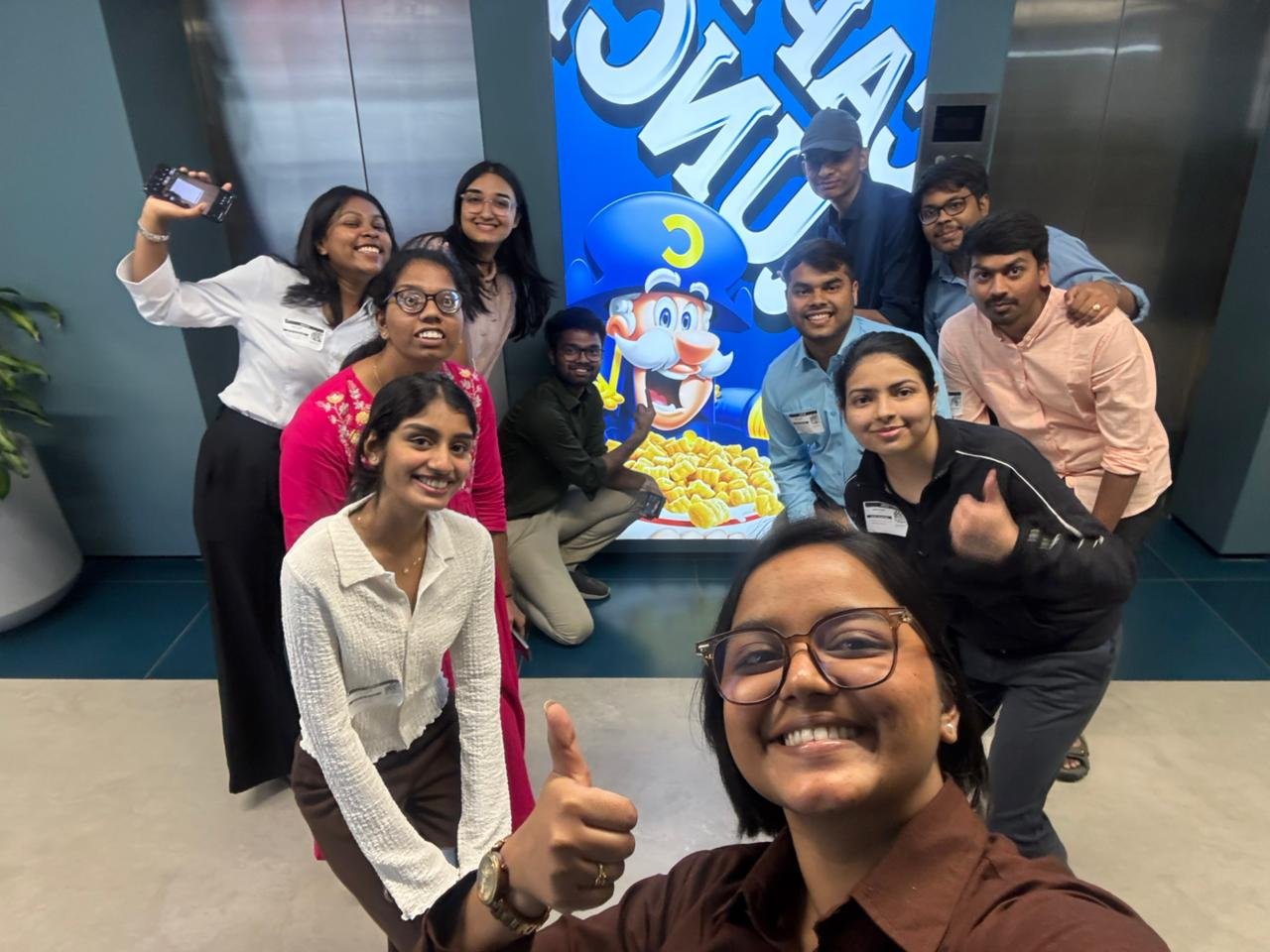
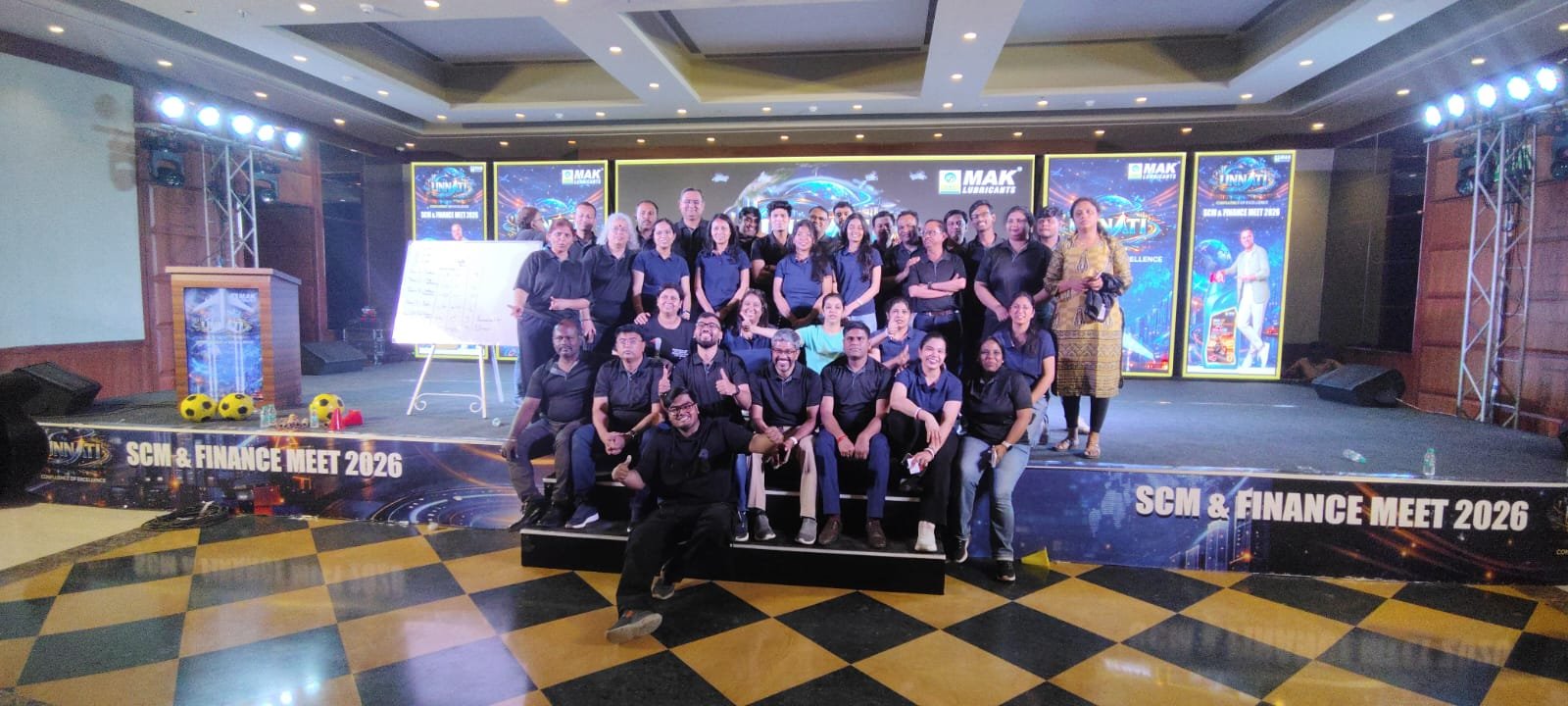

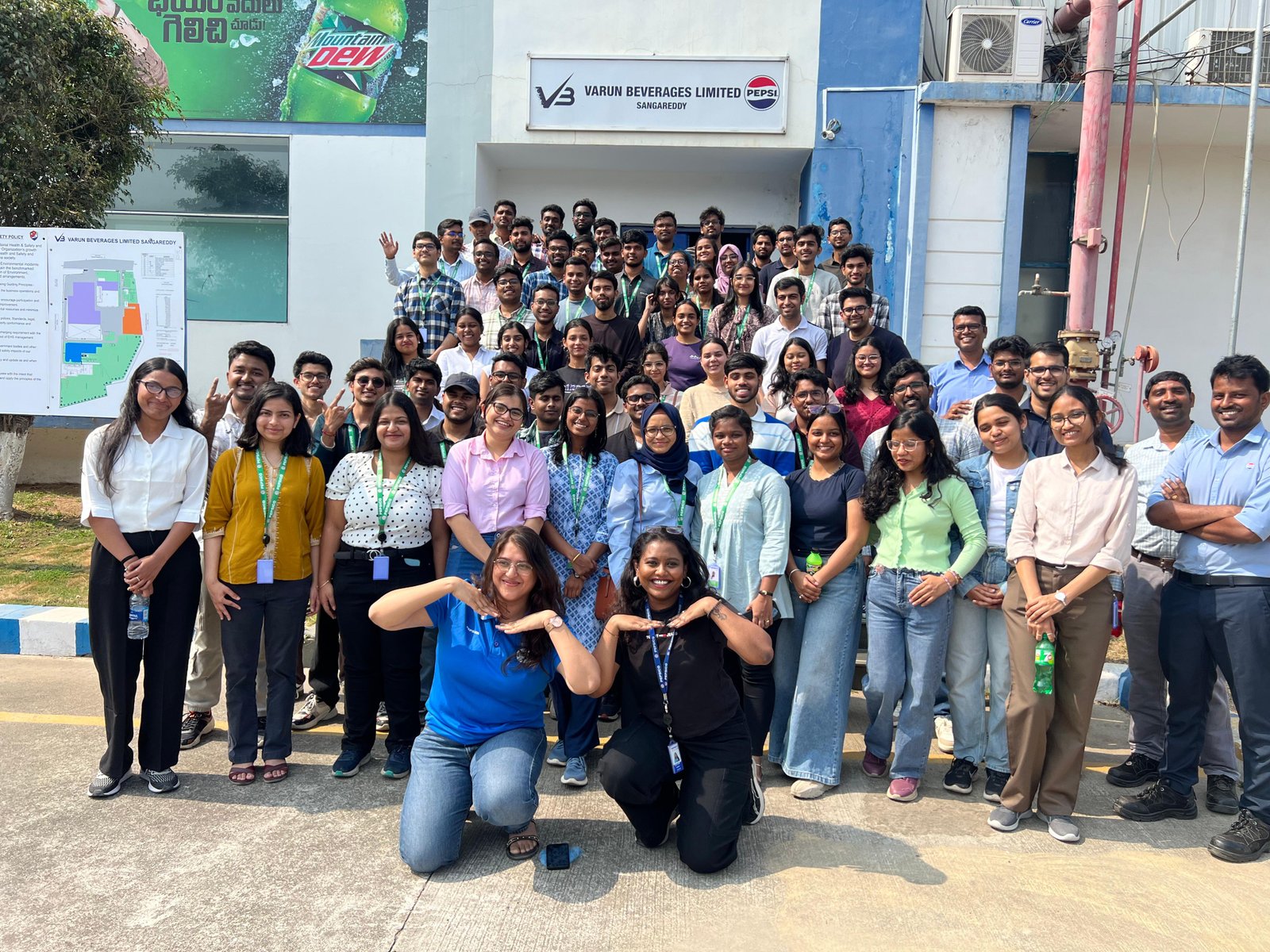
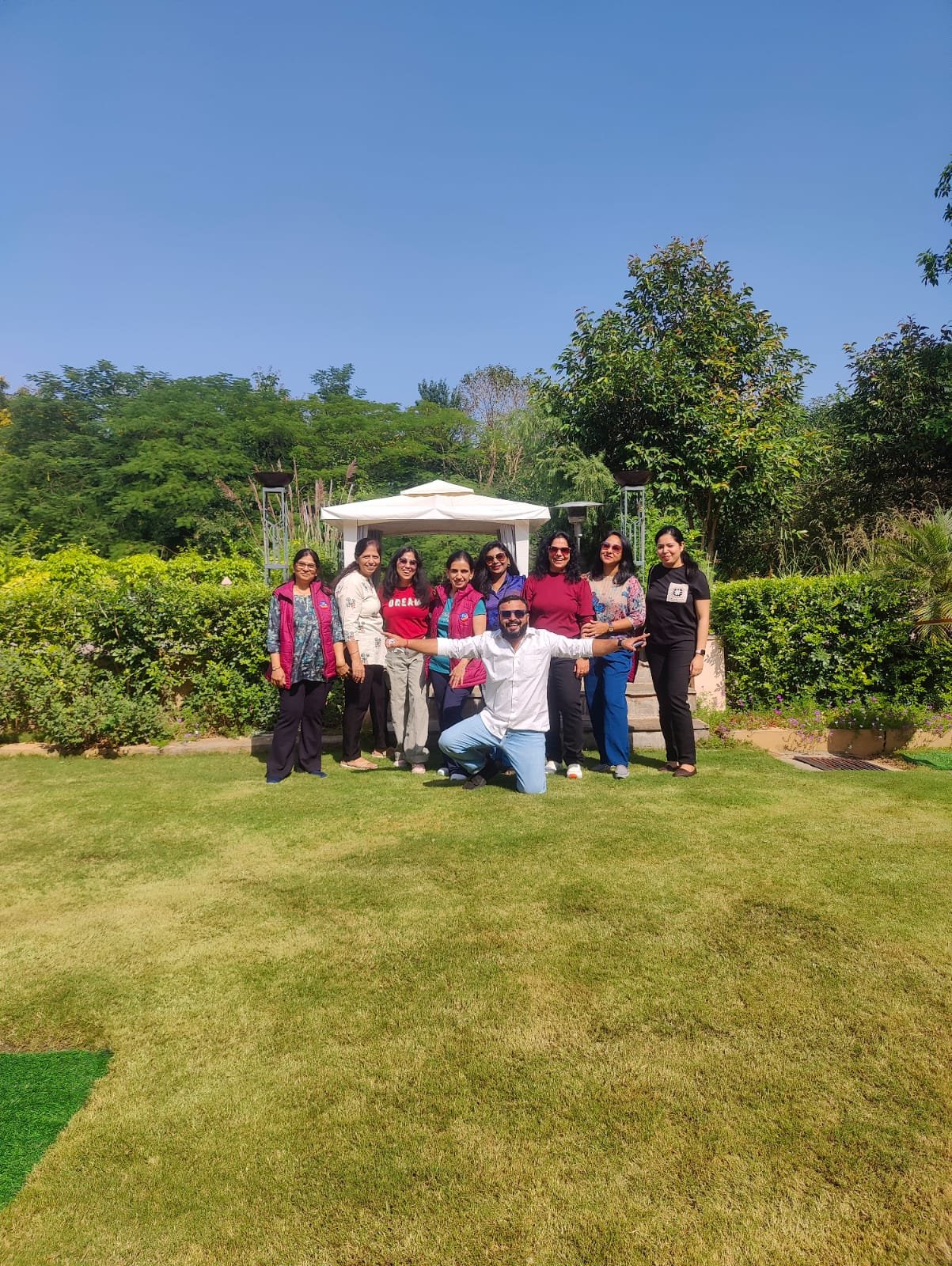
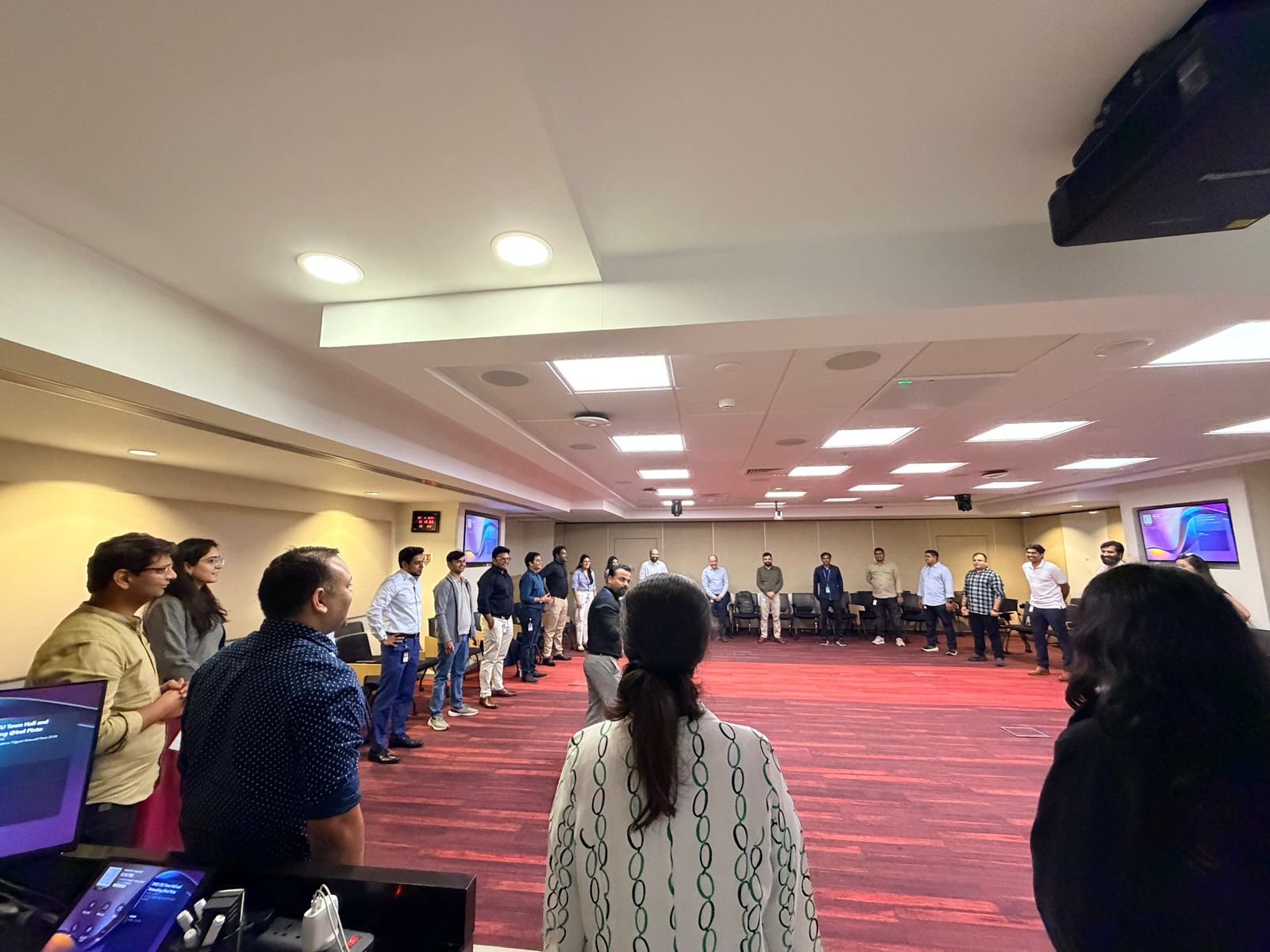
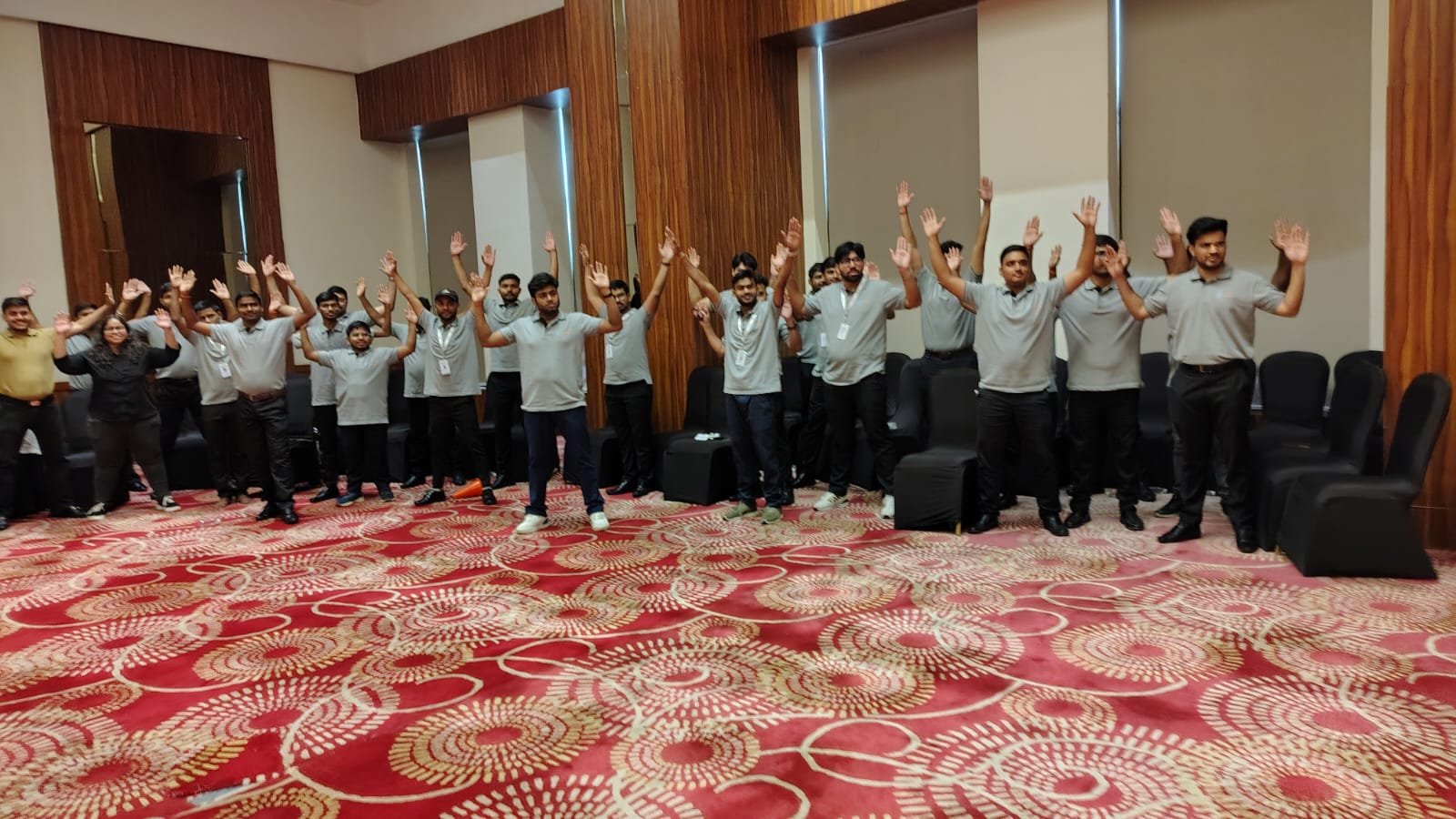
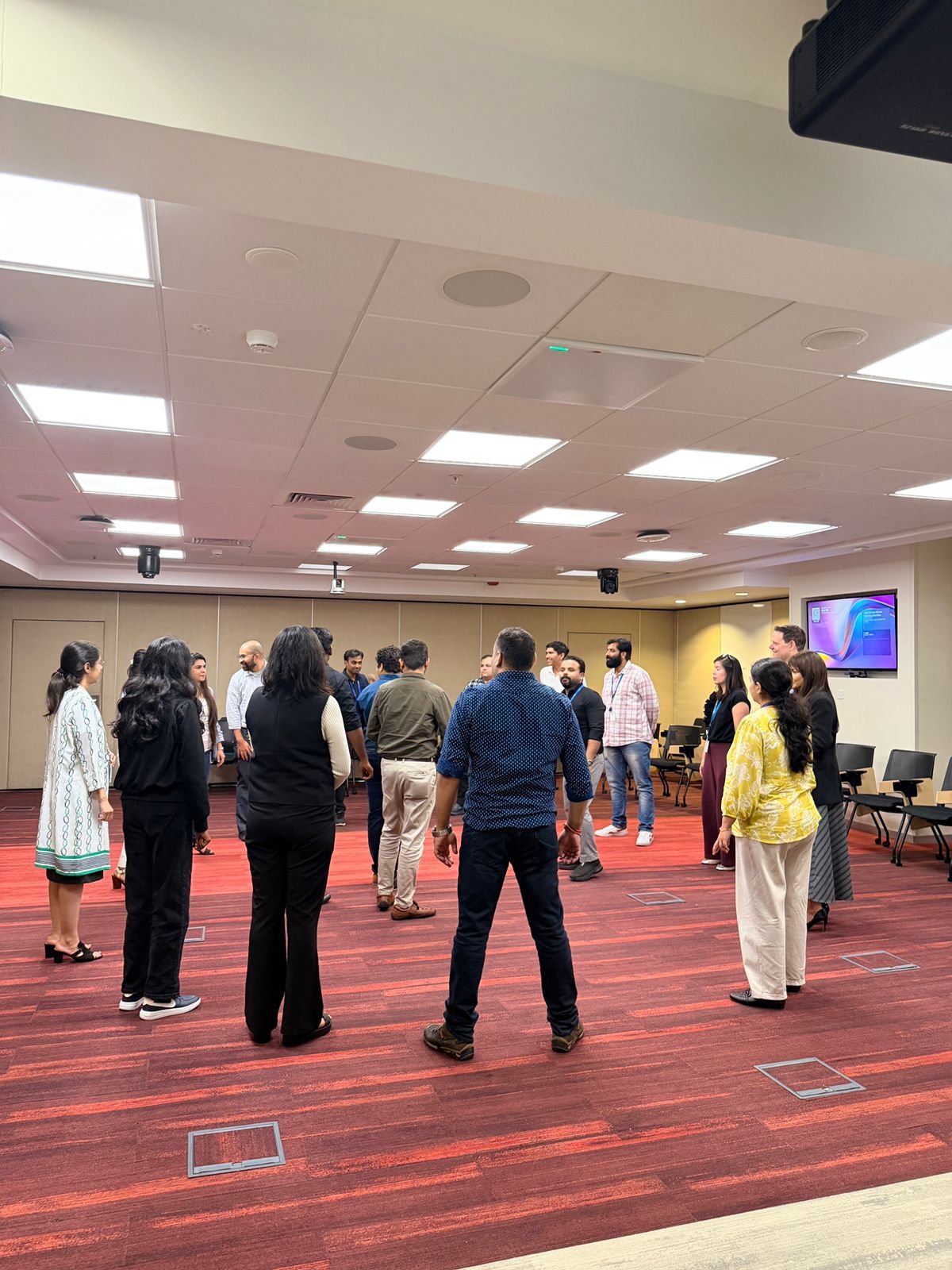




We are an end to end employee engagement and Learning & Development company with a history of doing massive events and experience in online capability development.
Gotezu • Trusted by 450+ companies
We help organizations grow through learning & development, leadership training, AI enablement, team building, sales training, and many more solutions, designed to spark creativity, collaboration, and lasting performance.
Trusted by teams at









Client stories
Watch real client feedback from GoTezU Shorts. Videos play muted automatically, tap the speaker to hear sound.










We’ve been transforming workplace culture through experiential learning for over 8 years, trusted by Fortune 100 companies for high-impact engagement.
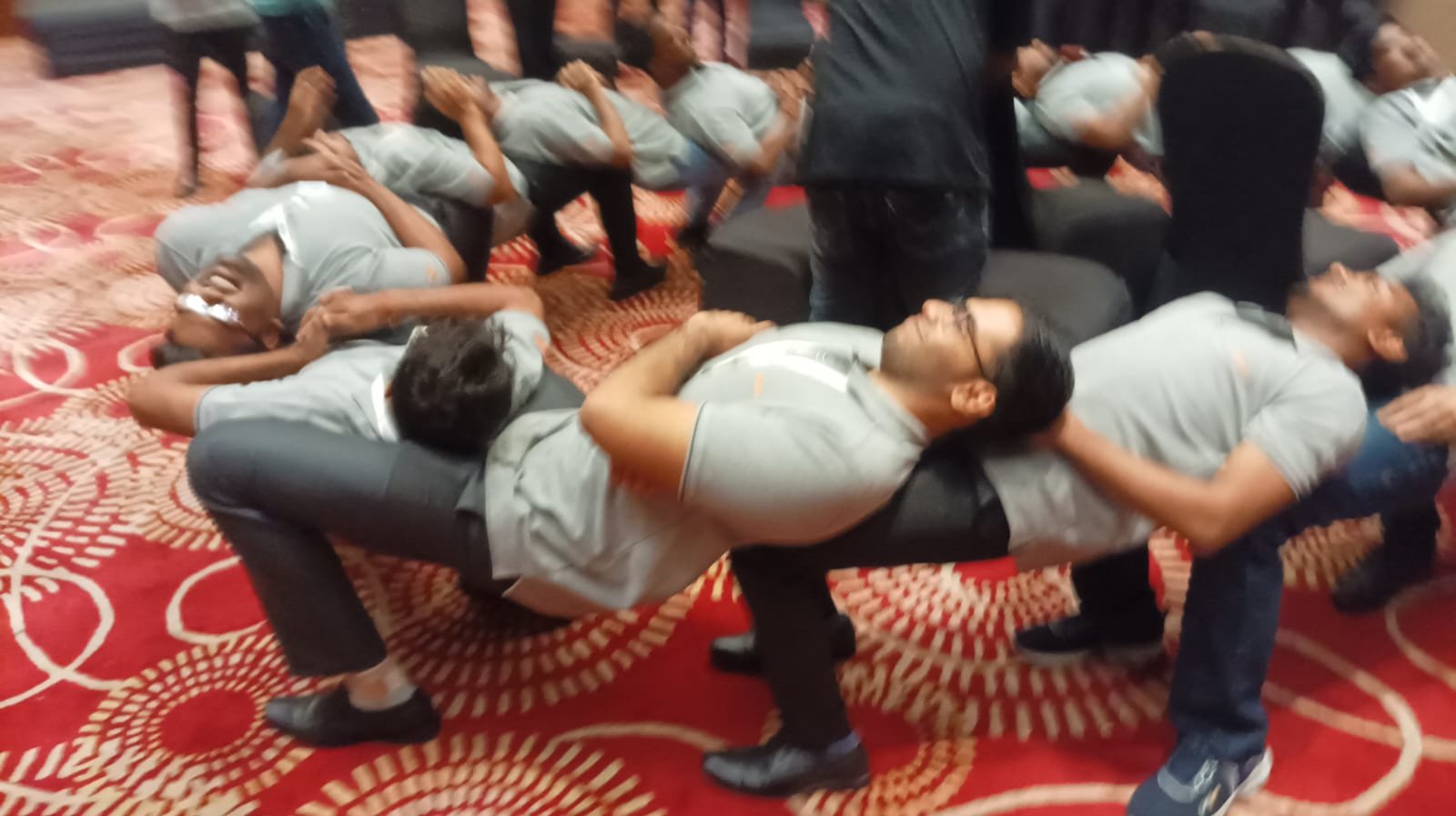
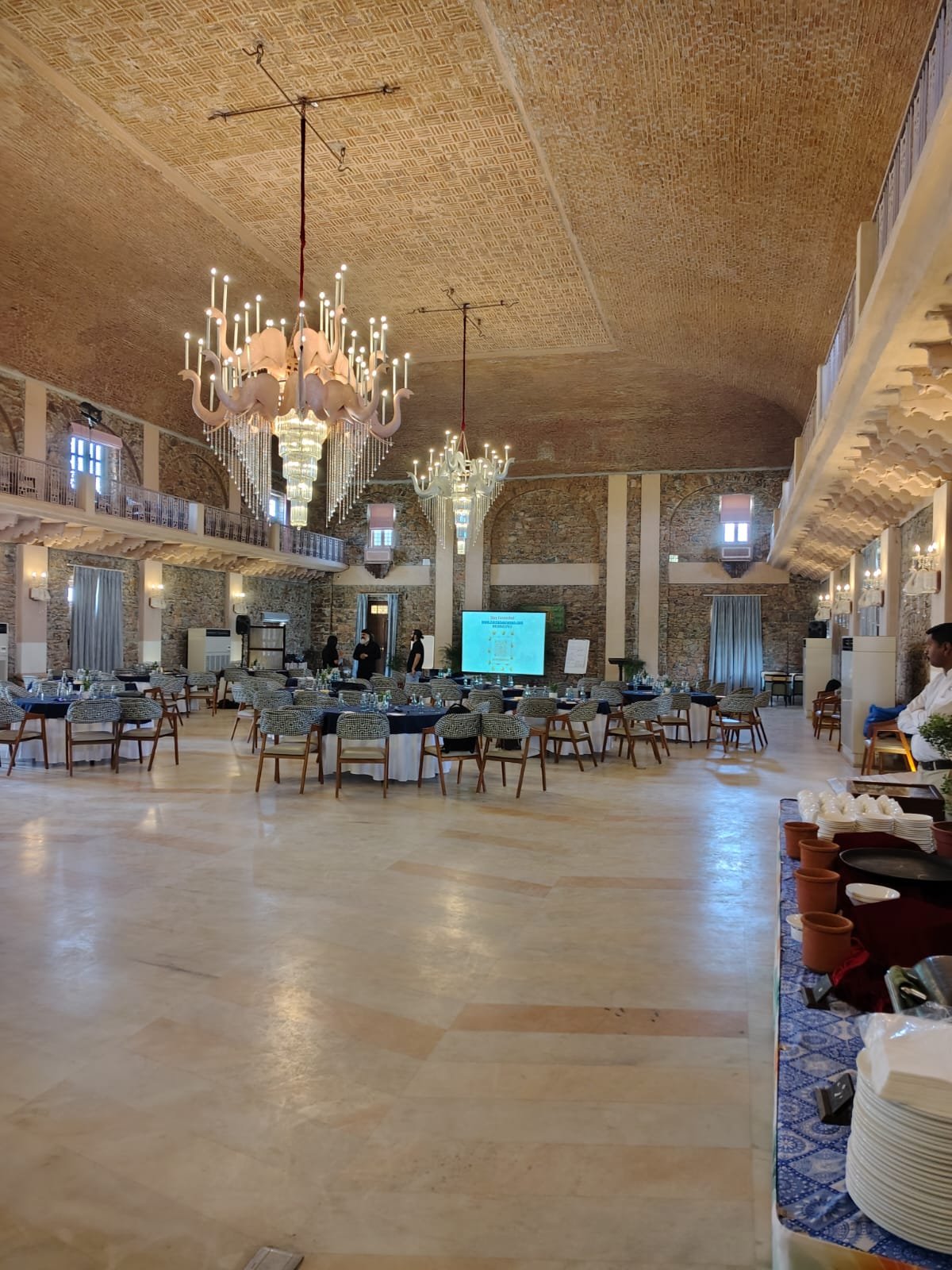
From high-energy outdoor challenges to innovative indoor workshops, our 180+ team-building activities are designed to connect, engage, and inspire.
We don’t just run activities, we shape mindsets, build leaders, and align teams through Organization Development, Experiential Learning, and Team Bonding.
Our facilitators design purposeful journeys using international standards, quality props, and tailored formats, online and offline, to unlock peak performance.
We believe in Energy, Innovation, and People. Our experiences bring flow, integrity, solutions, and shared growth to every team we work with.
End-to-end learning, engagement, and events, built to connect teams and unlock performance.
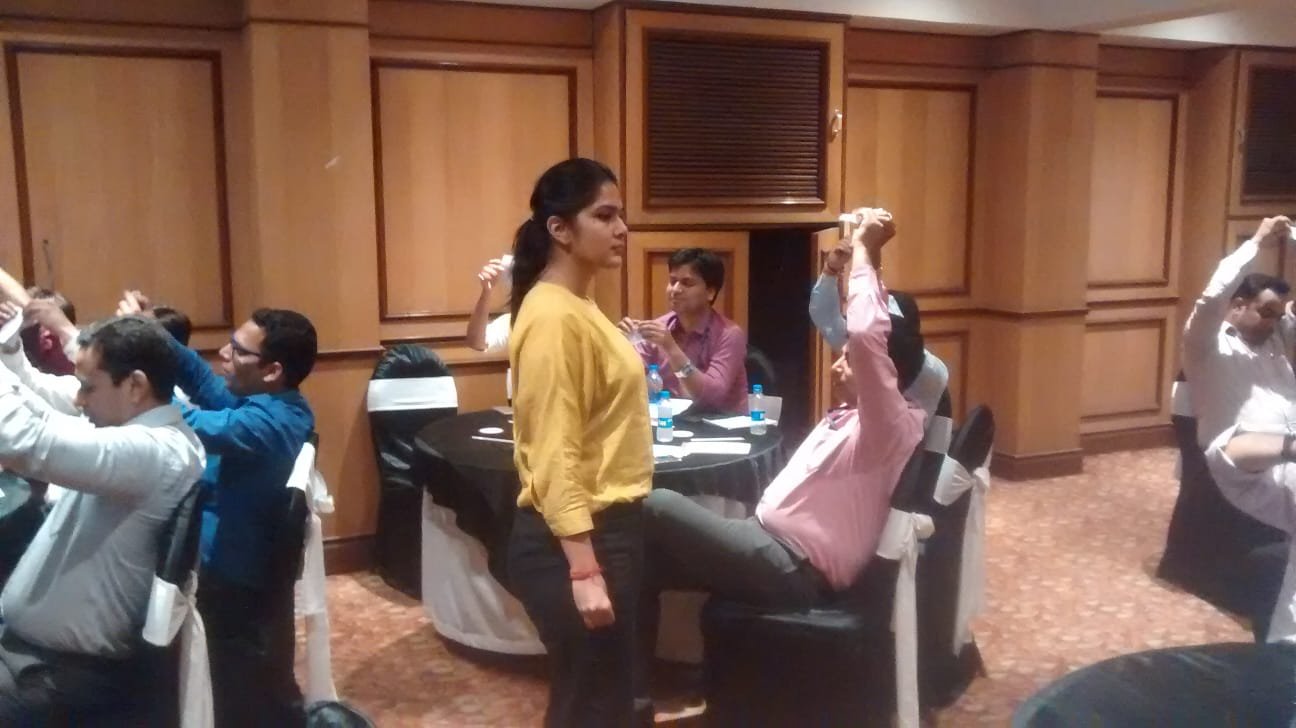
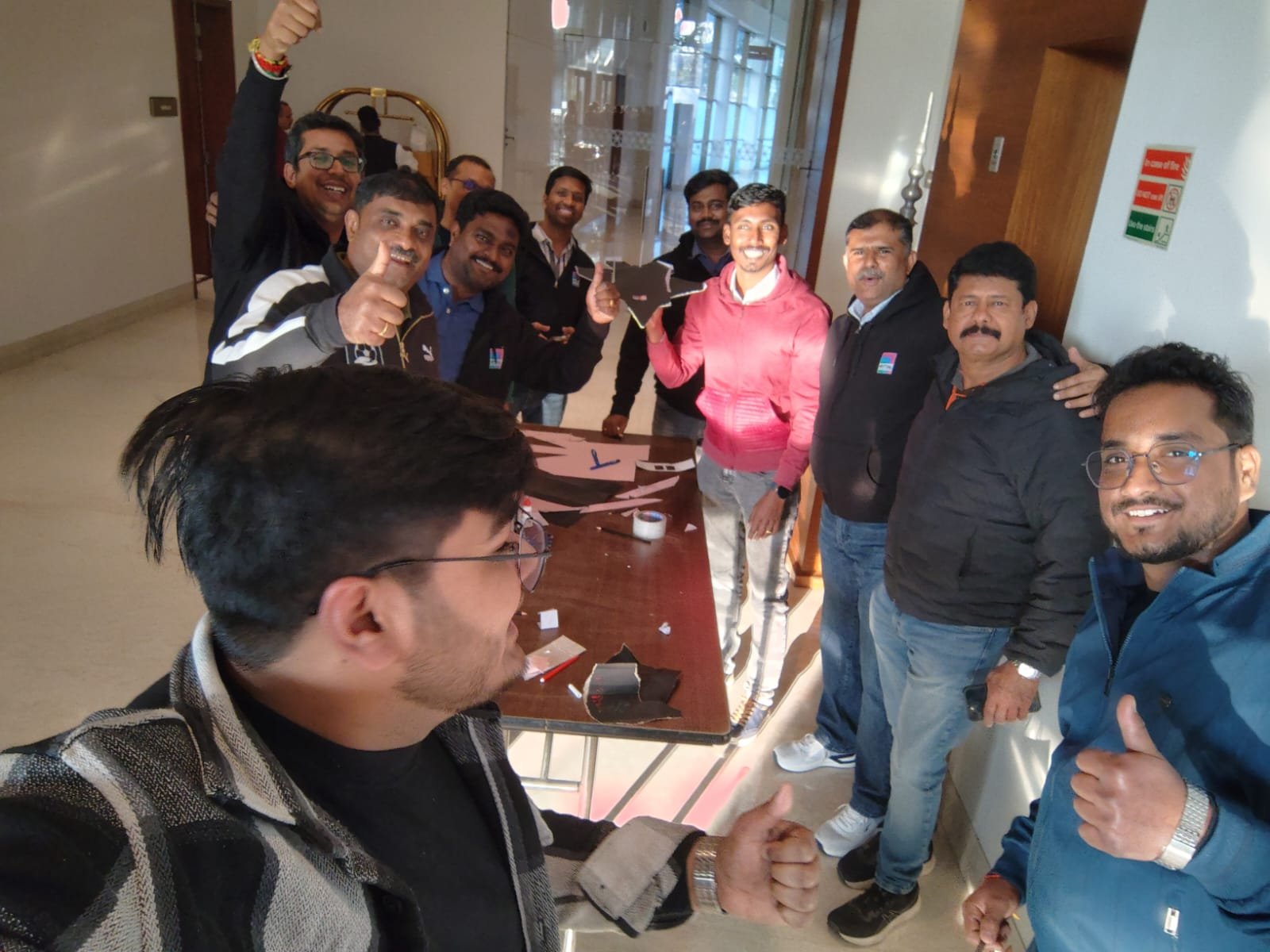 Experiential
High-energy outdoor and indoor experiences designed to connect, engage, and inspire your teams.
 Full-service
Memorable conferences, offsites, and celebrations planned end-to-end for impact and polish.
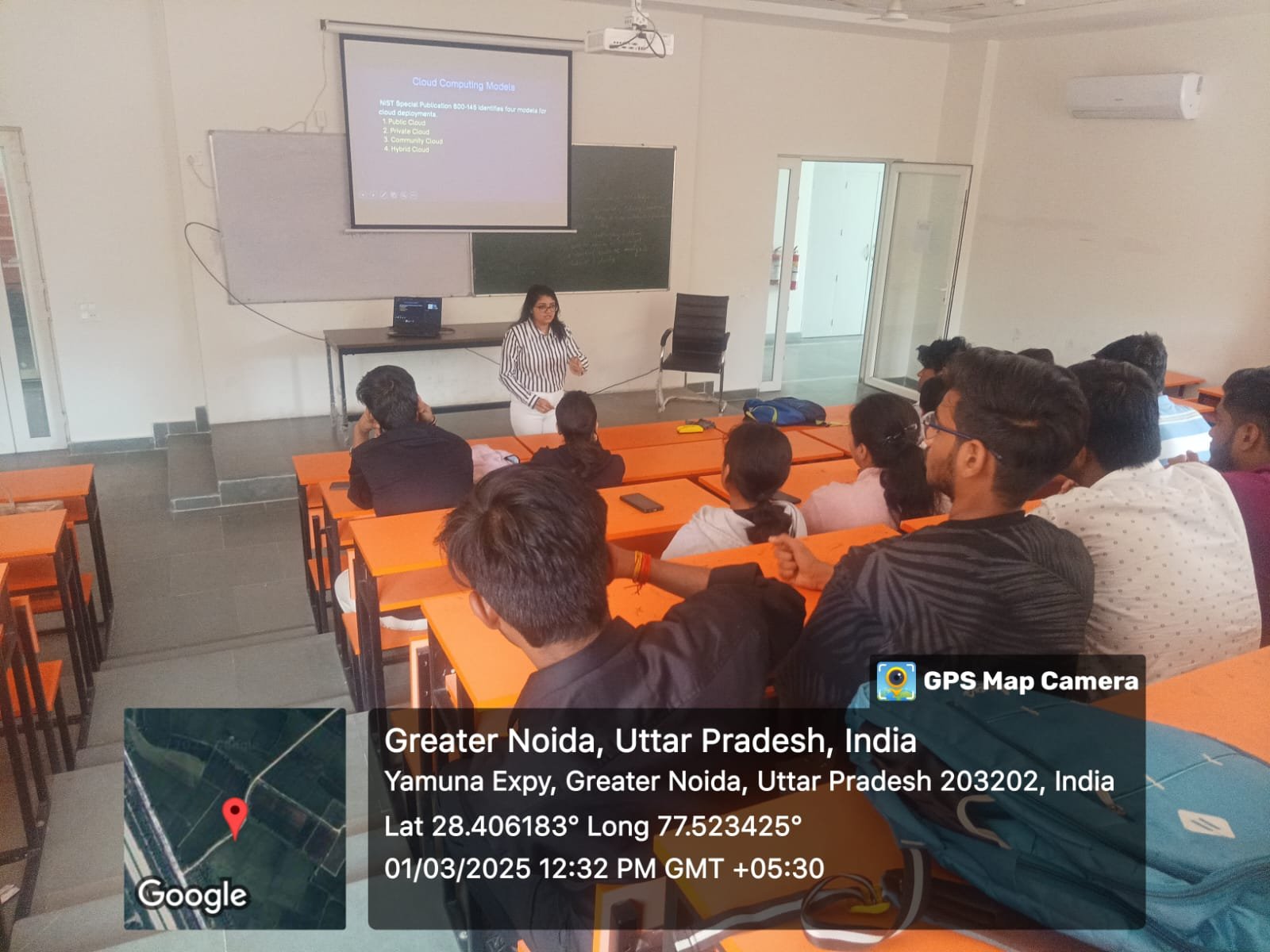 Capability
Role-ready skill programs that build practical capability across teams and functions.
 New
New
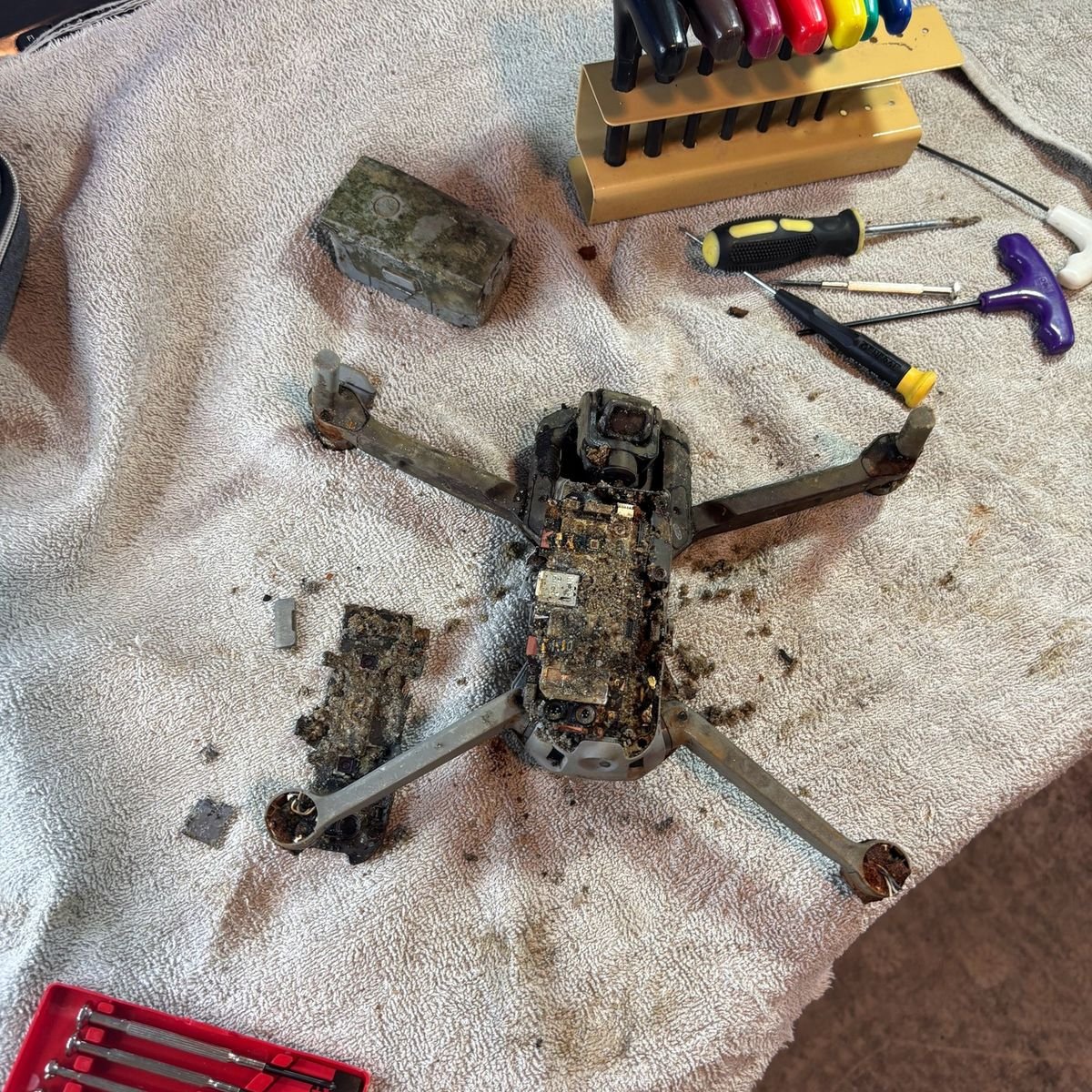
Drone digital forensics, data extraction, flight path analysis, and advanced investigative tooling.
 Revenue
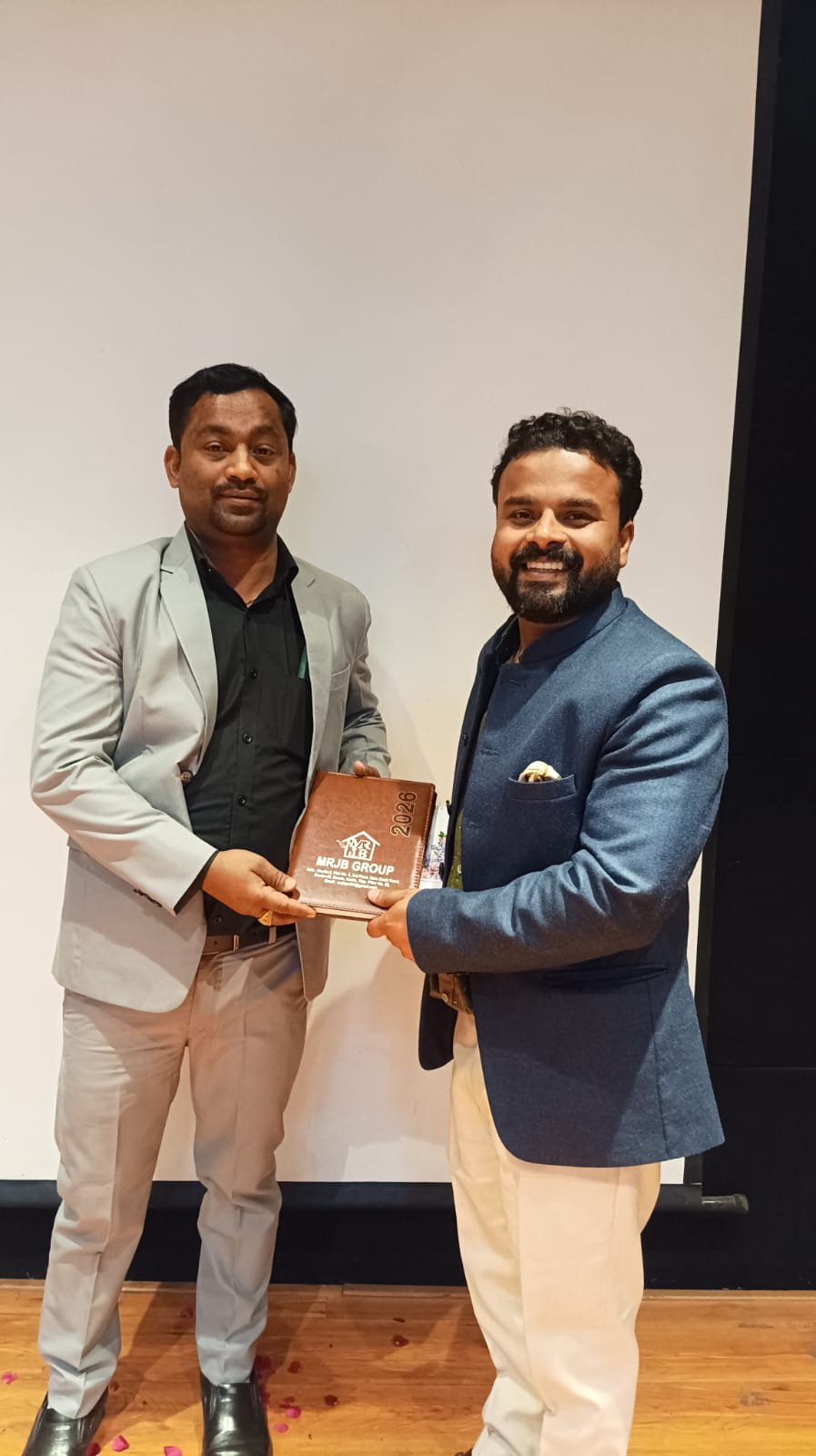
Practical selling techniques, persuasion, and closing skills that drive measurable results.
 Keynotes
Inspiring sessions that energize people, shift mindsets, and spark lasting action.
 New
New
Hands-on AI upskilling so teams can work smarter with modern tools and workflows.
 Behavioural
Communication, leadership, and workplace skills that elevate everyday performance.
 Certified
Cloud programs that help professionals get certified and advance technical careers.
 Youth
Youth
Future-ready learning experiences that amplify young voices and real perspectives.
With purposeful activities and expert facilitation, we create immersive journeys that connect people, sharpen skills, and spark lasting performance.
8+
Years of Impact
450+
Companies Trusted
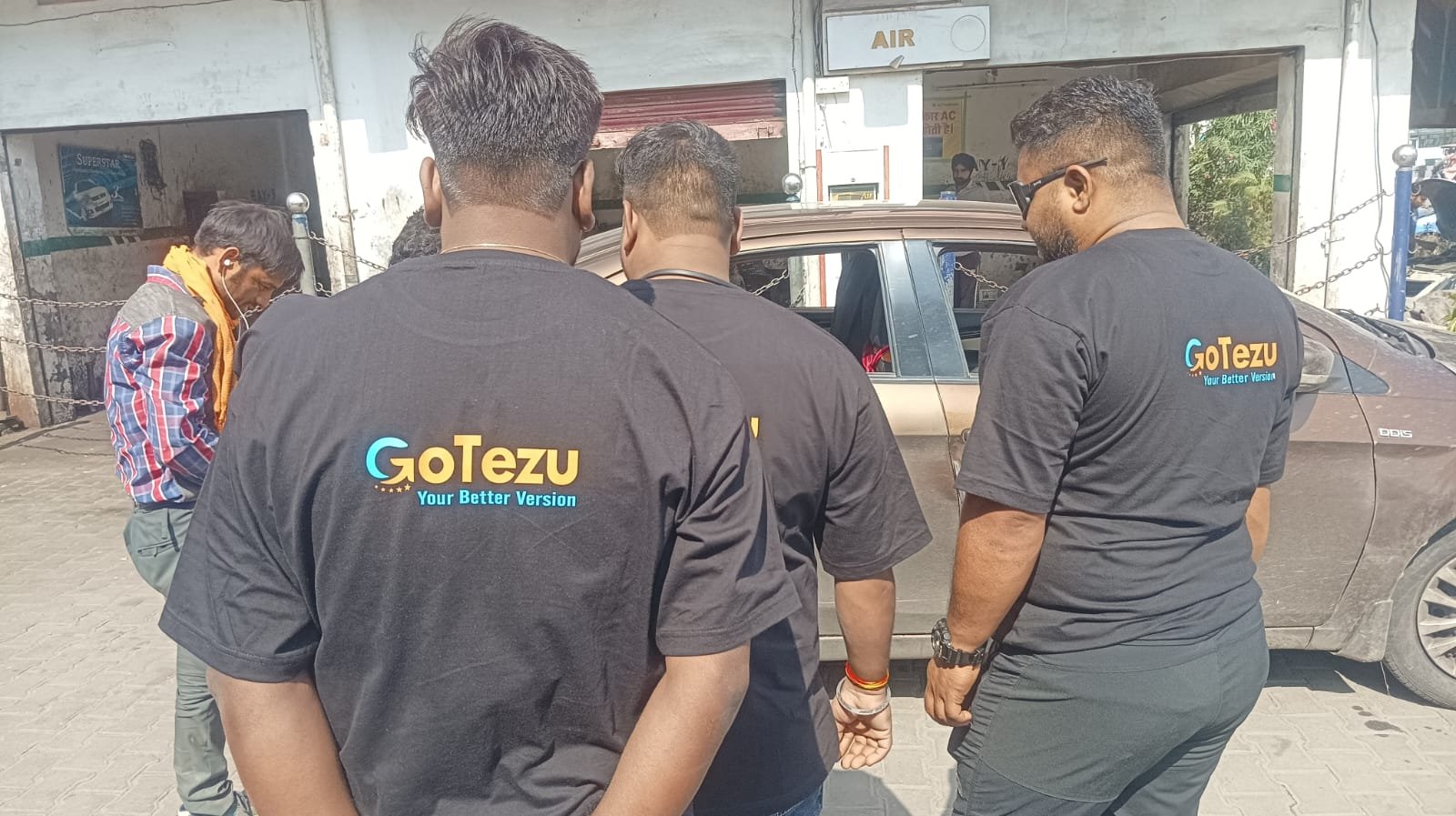
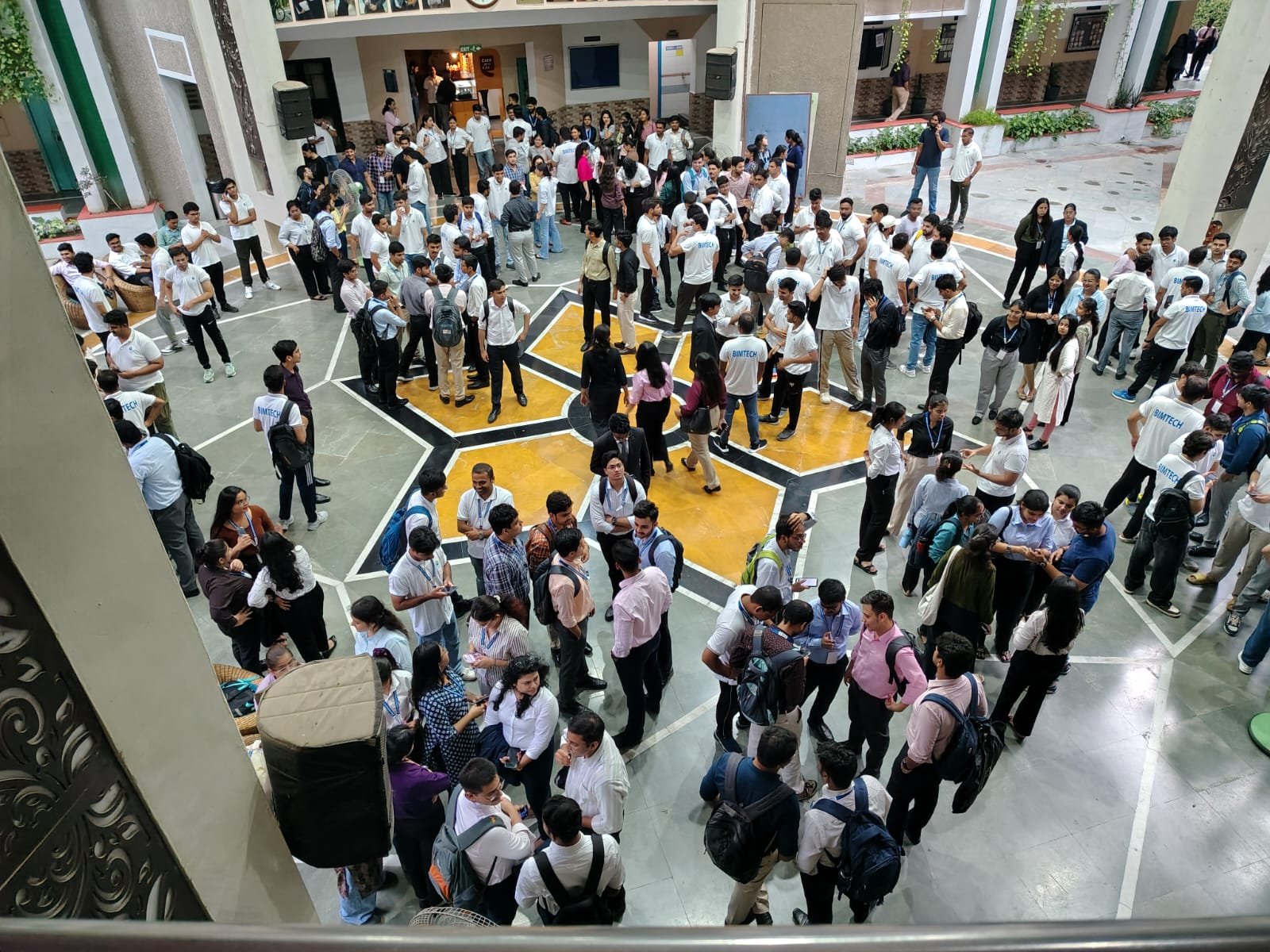
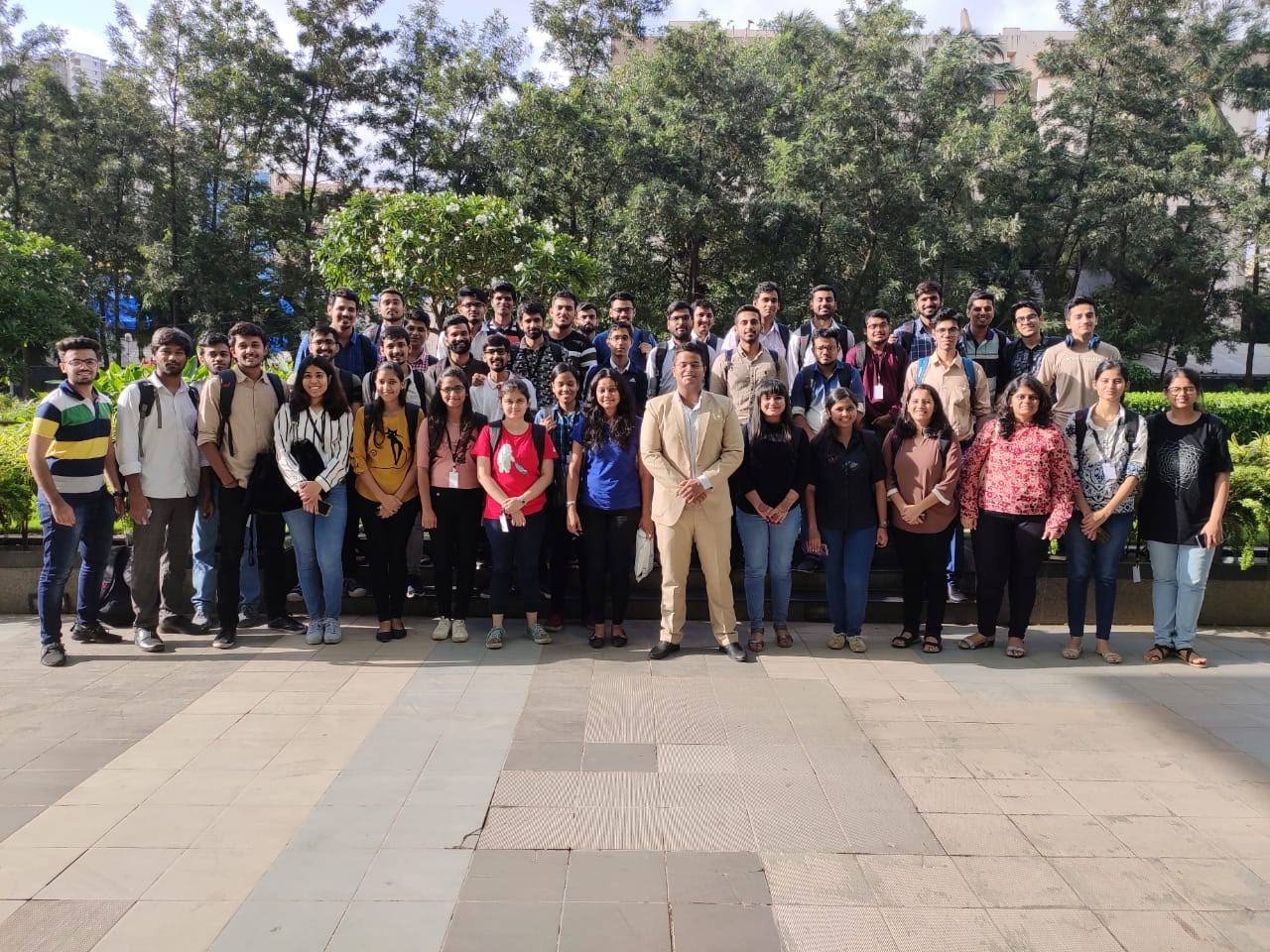
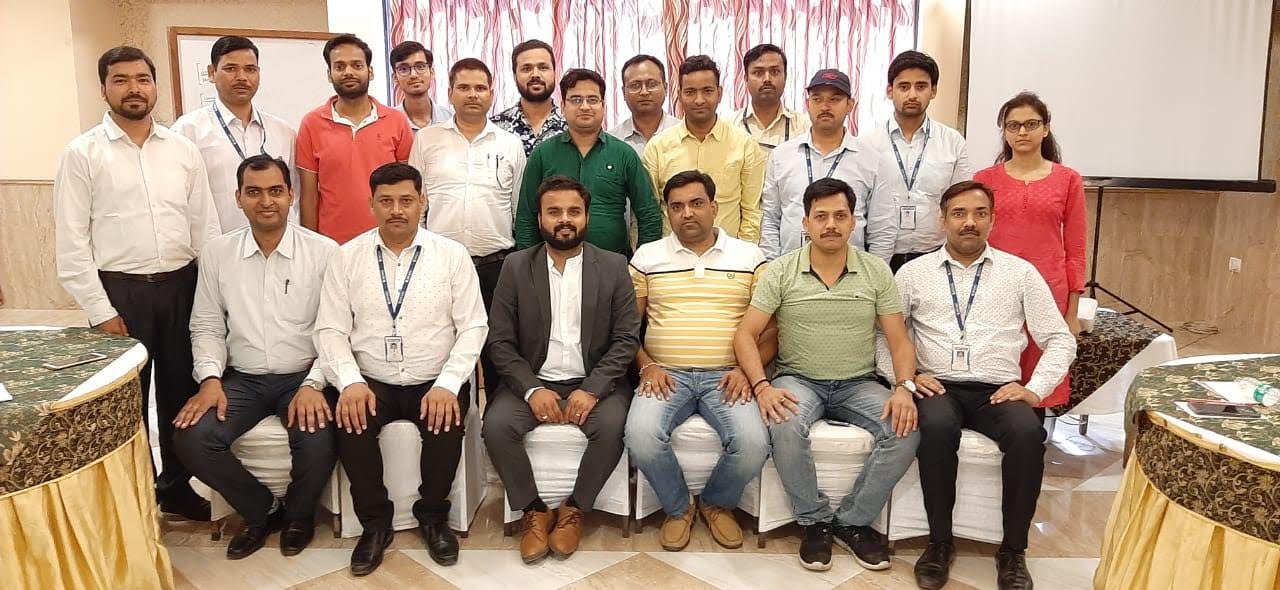
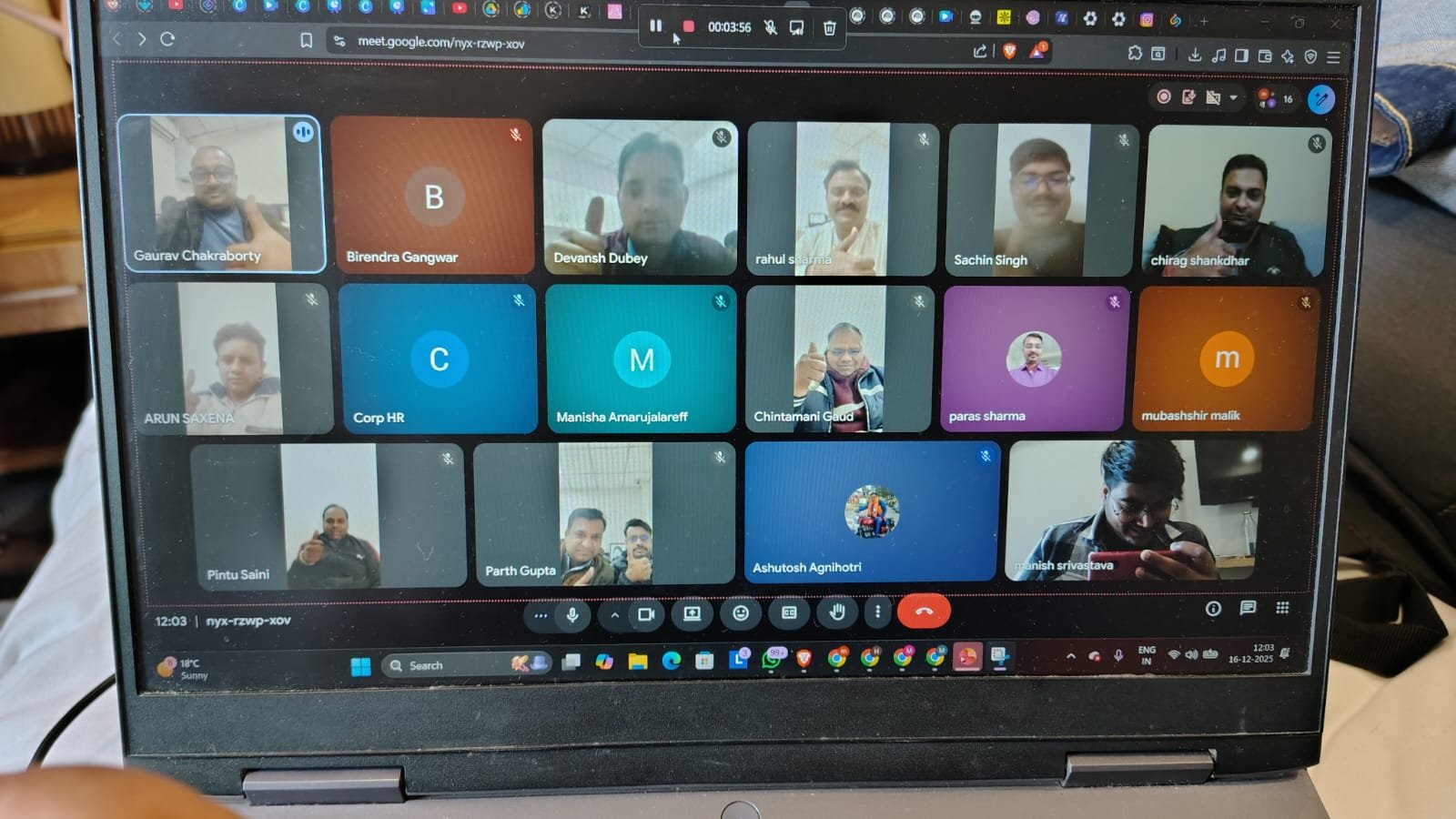
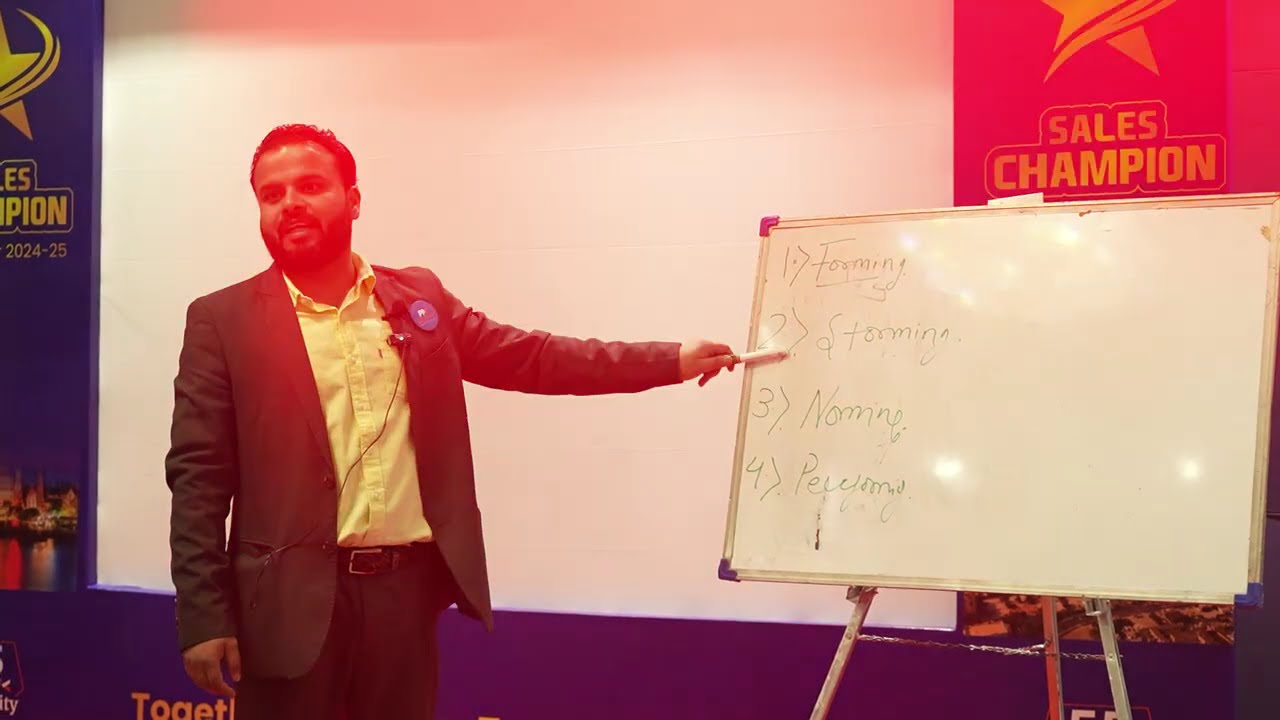
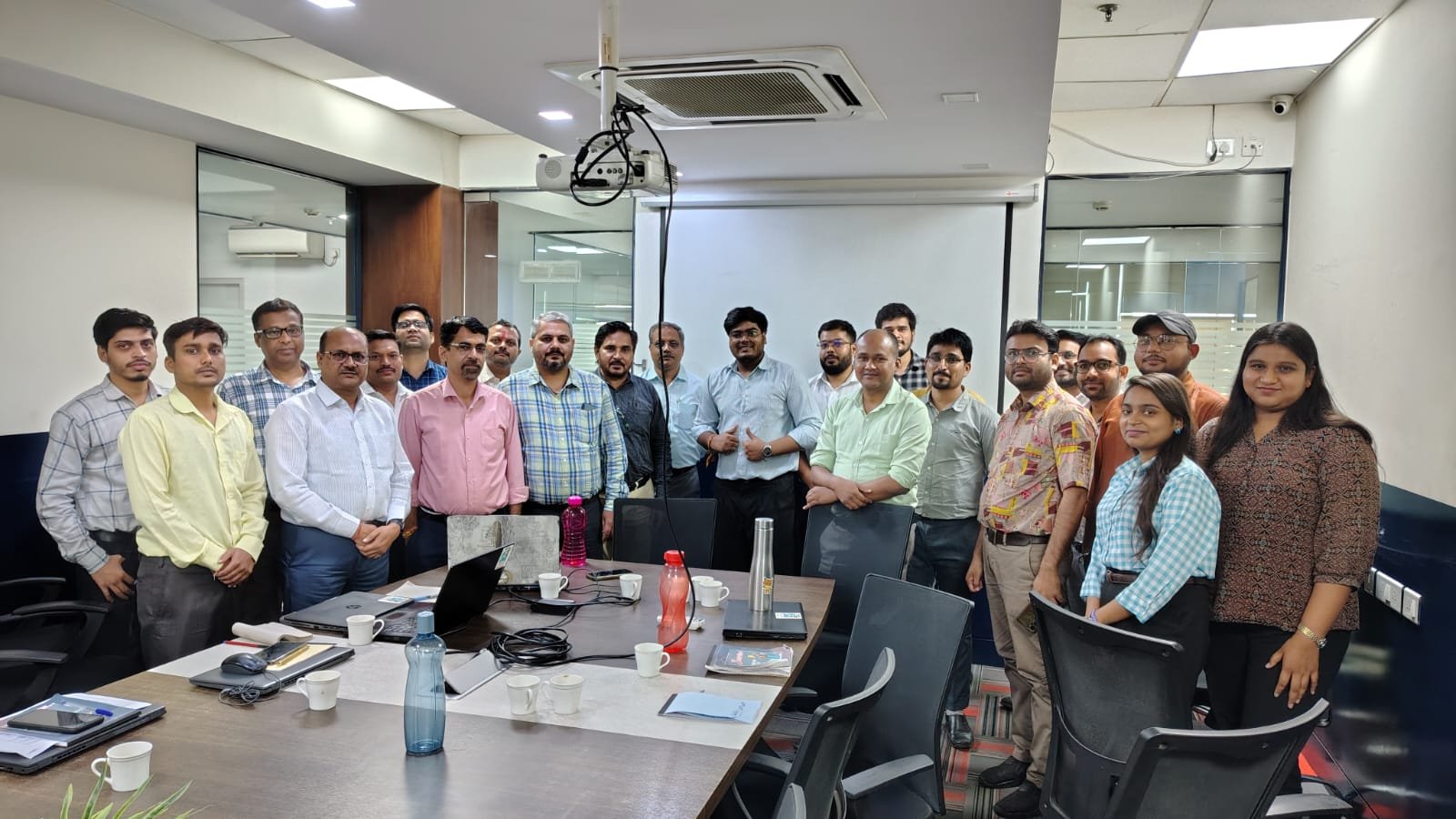
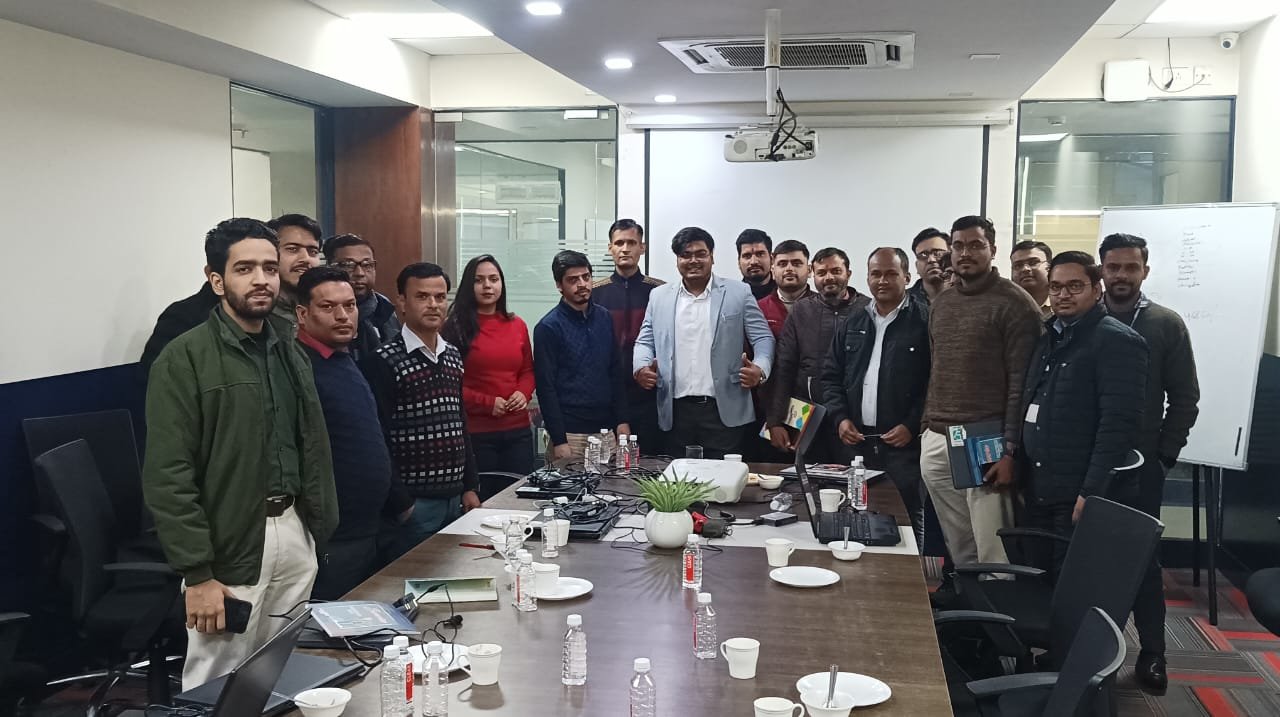
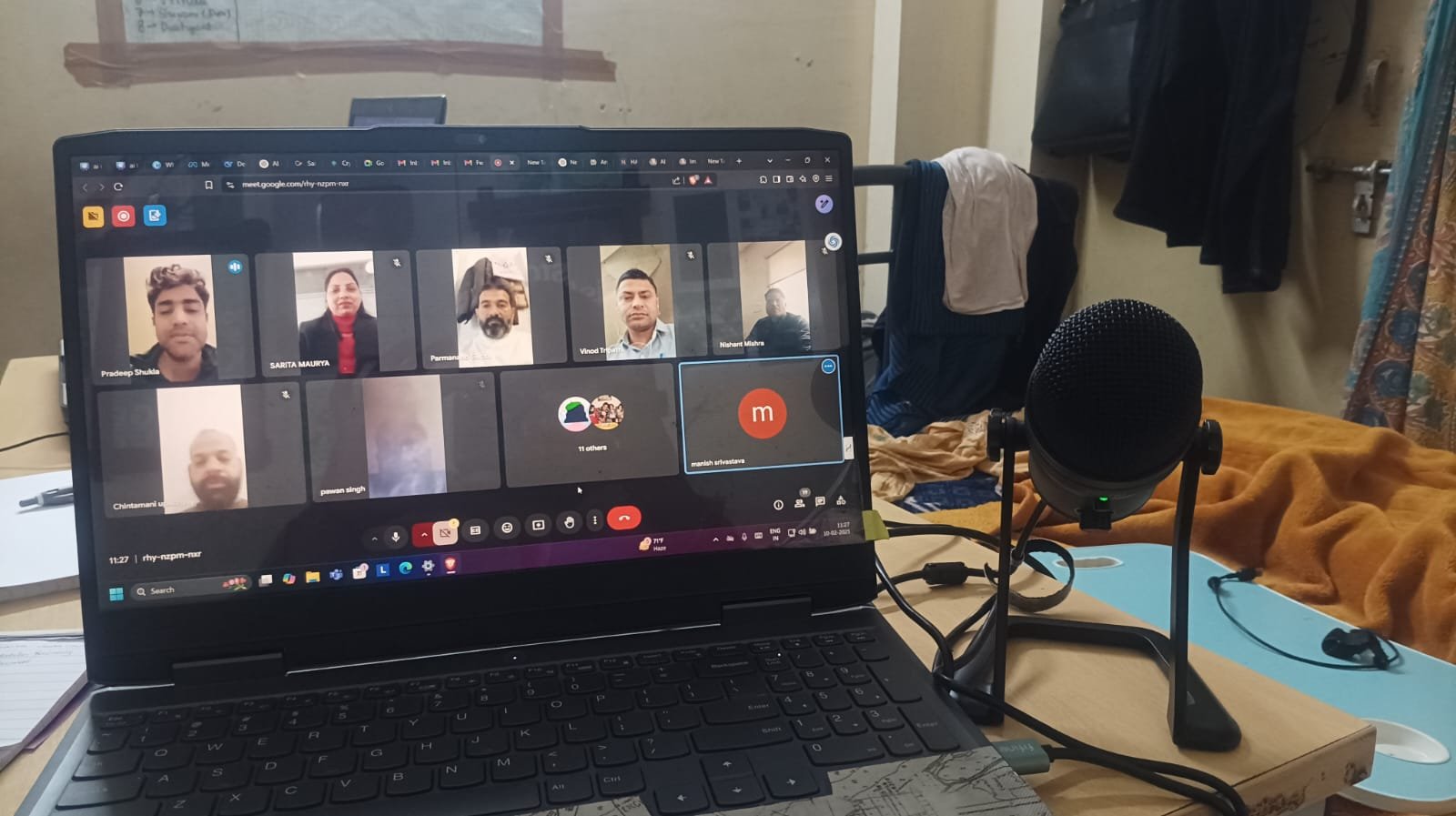
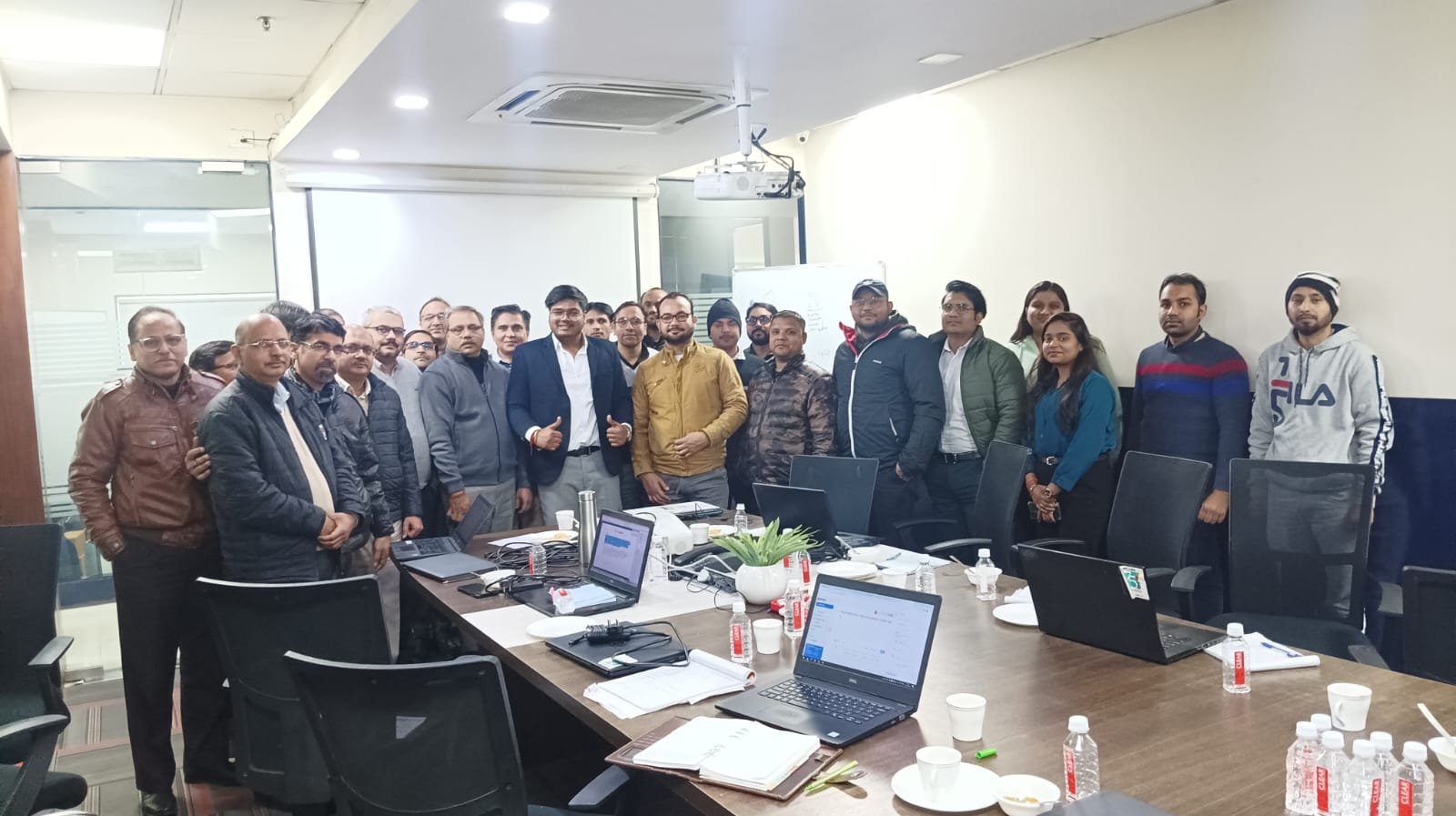
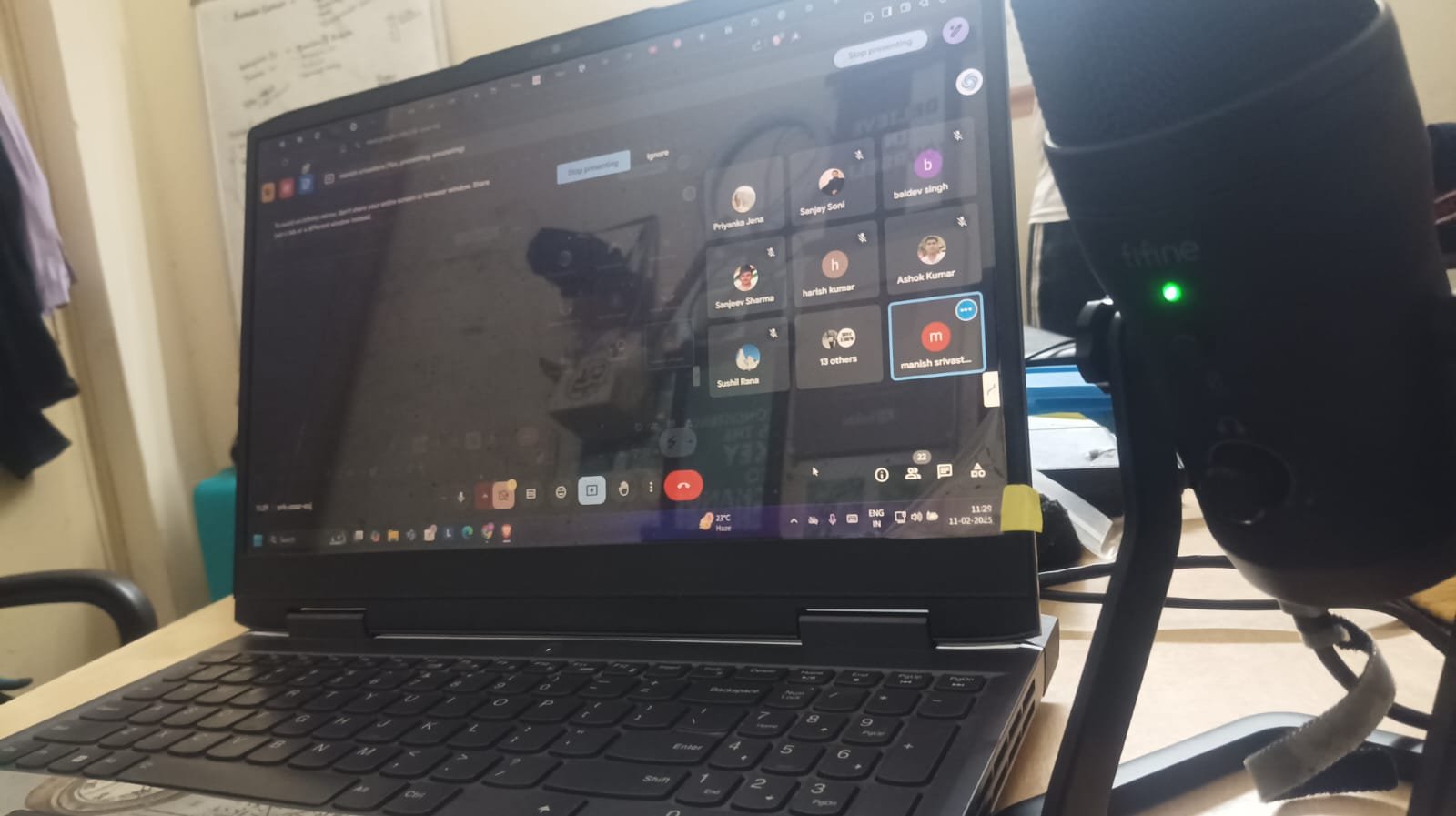
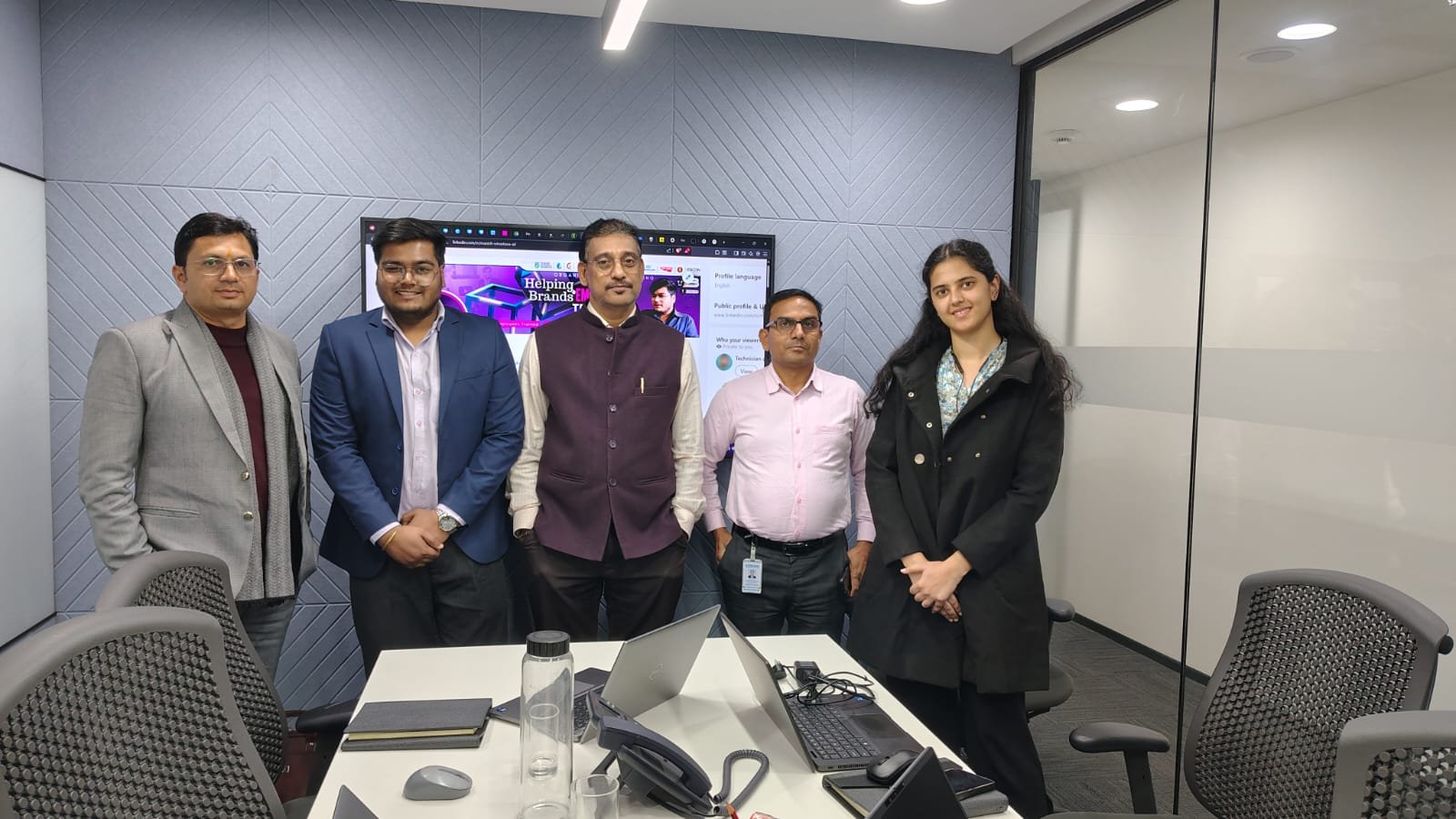
Our Recent Trainings



From The Blog
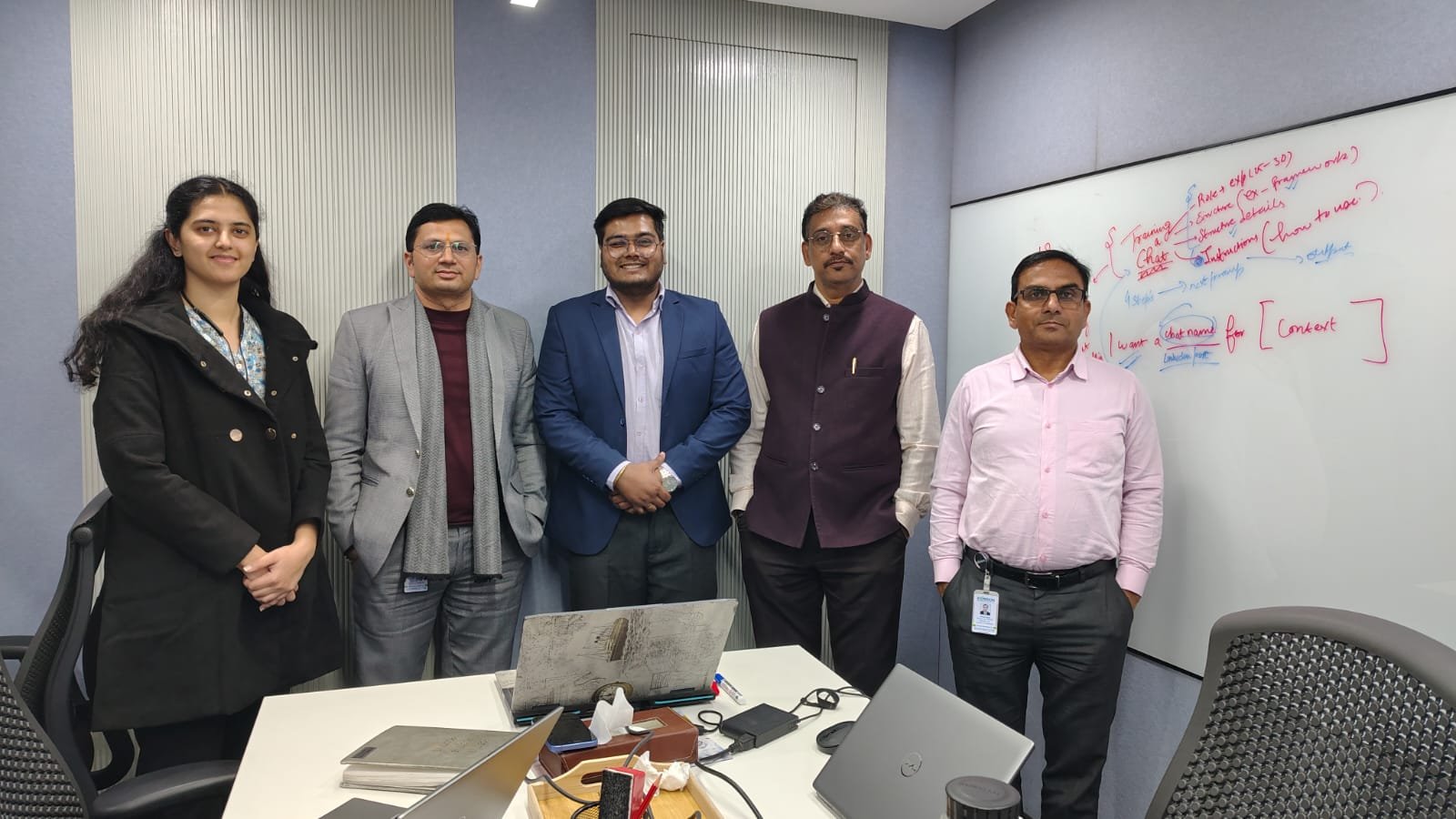
Strong teams are not built in meeting rooms. Here is how experiential team building translates into measurable performance at work.
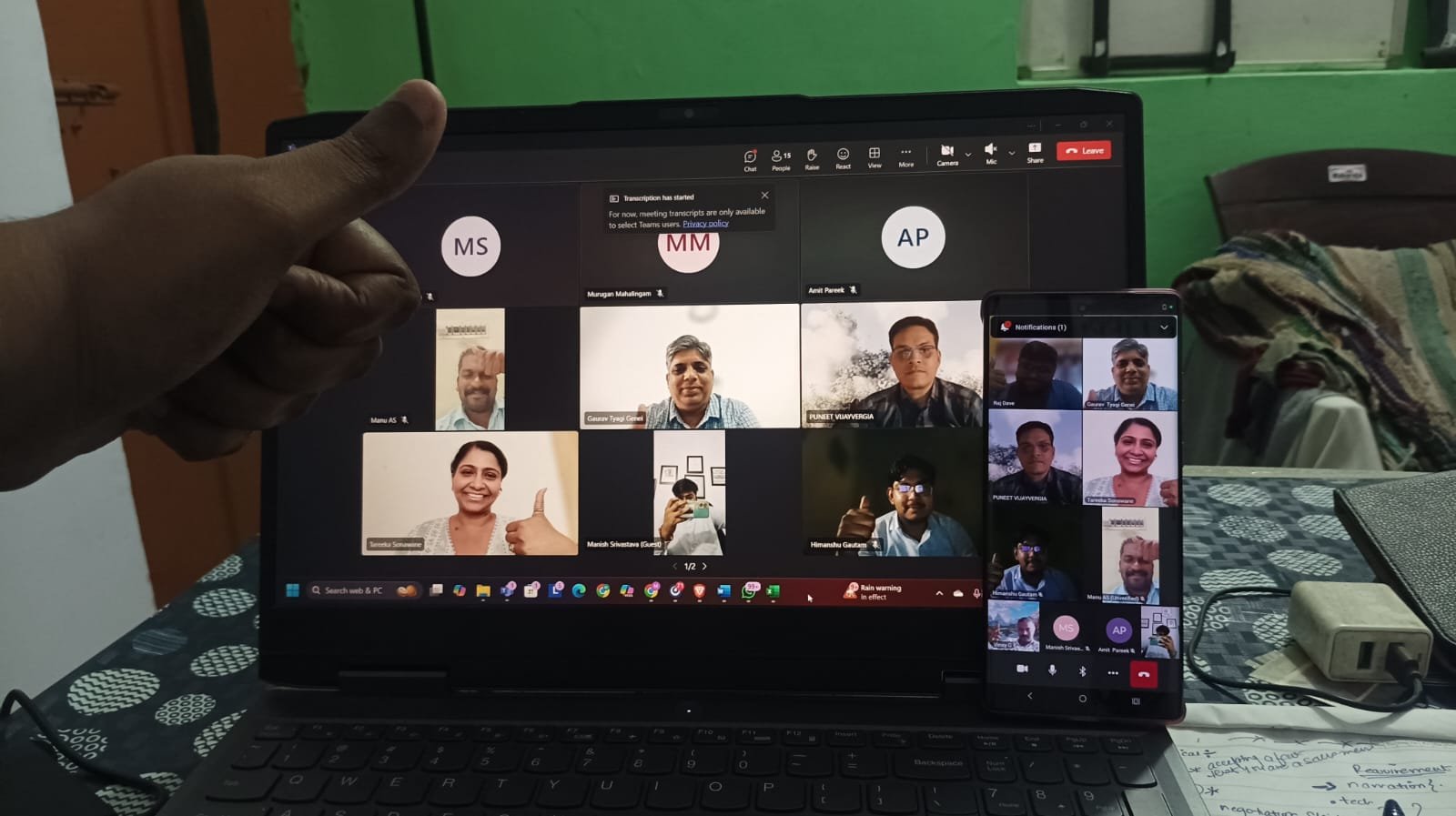
From objection handling to consultative selling, the habits that separate consistent performers from the rest of the floor.
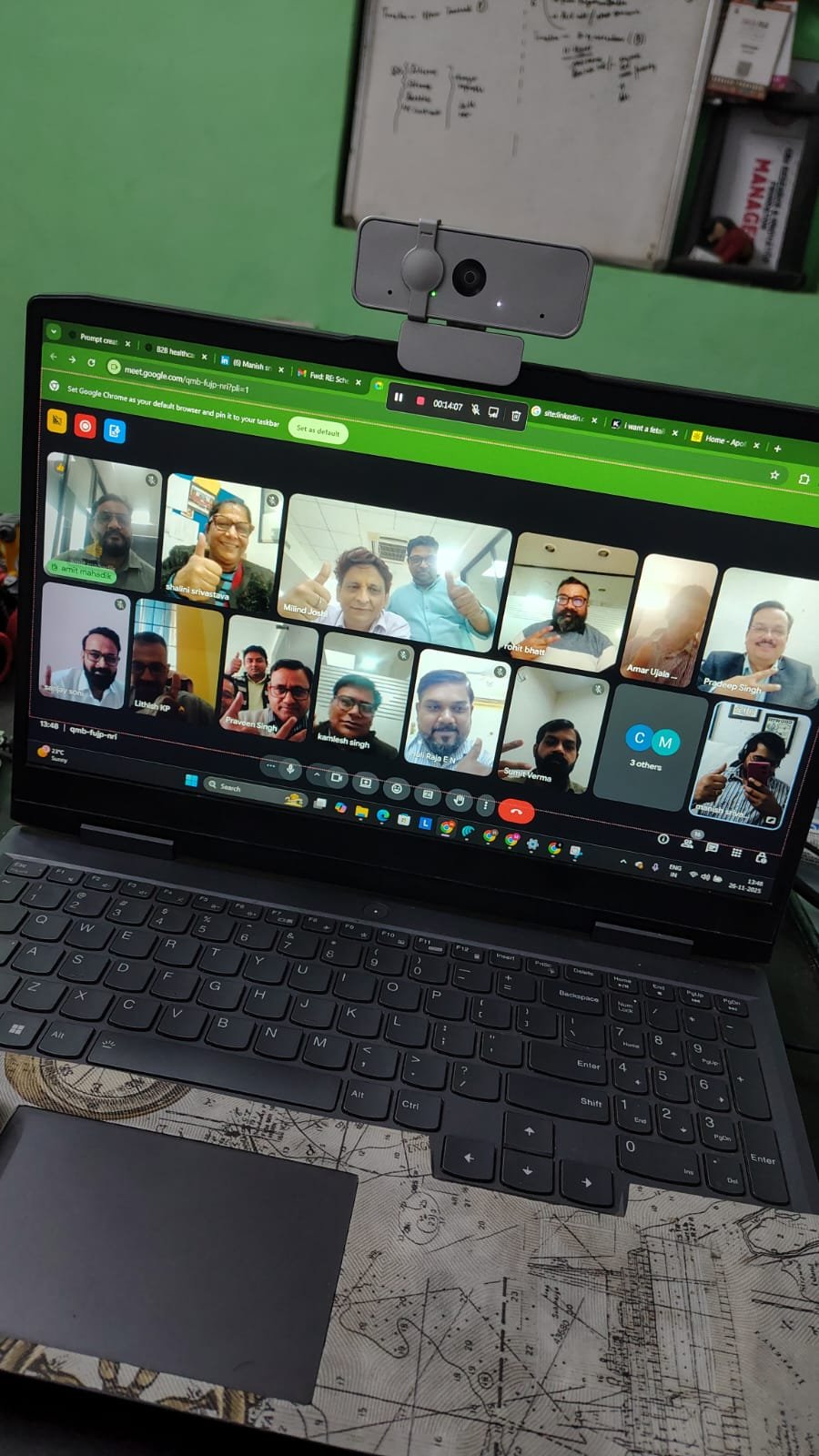
AI is changing every role, not replacing them. A practical view on upskilling teams so they adopt new tools with confidence.
Pick a service to see the questions companies ask us most, covering team building, corporate events, functional and technical training, sales, motivational speaking, AI, soft skills and Google Cloud.
The best corporate team building activities depend on your team's size, goals, and work style, but the highest-performing formats are usually a mix of problem-solving challenges (escape rooms, scavenger hunts), trust-based exercises (blind trust walks, communication drills), and outdoor adventure formats (treasure hunts, ropes courses). At Gotezu, we design a blended agenda, one structured collaboration game plus one informal, relaxed activity, since this consistently delivers better engagement than a single long session, balancing performance goals with genuine bonding time.
Pricing for corporate team building programs usually depends on group size, duration, location (in-house vs offsite/resort), and whether the activity is facilitator-led. Half-day in-house programs are generally the most economical option since there's no venue or travel cost, while full-day outbound or resort-based programs cost more due to logistics, equipment, and facilitator fees. Virtual team building sessions tend to be the most budget-friendly per head for distributed teams. Gotezu provides a custom quote after understanding your headcount, city, and preferred activity type, since team building pricing is rarely a flat rate.
Indoor (in-house) team building is conducted at your own office premises with low-footprint games ideal for time-constrained teams. Outdoor/outbound team building takes place at resorts or open spaces and includes physically active formats like rope courses, treasure hunts, and adventure-based challenges that build trust through shared physical experience. Virtual team building is delivered entirely online through video conferencing tools and works well for remote or hybrid teams spread across cities. Many companies now run a hybrid calendar, quarterly virtual sessions plus one or two annual outdoor offsites, to keep both remote and in-office employees engaged.
Corporate team building sessions typically range from 3 hours to a full 2–3 day retreat, depending on objectives. A 3–4 hour session works well for a quick engagement boost or icebreaker before a larger meeting. Half-day (4–5 hour) formats suit most mid-sized teams wanting a proper mix of games and reflection. Full-day or multi-day outbound programs are better suited for leadership offsites, annual retreats, or when the goal is deeper culture-building rather than a one-off activity.
Team building ROI is usually tracked through a combination of pre- and post-event employee engagement surveys, participation and feedback scores, reduction in reported team conflict, and softer indicators like improved cross-team communication observed by managers over the following weeks. Some organizations also correlate team building investment with retention data and eNPS (employee Net Promoter Score) shifts over a quarter. While it's rarely a single hard number, HR and L&D teams increasingly ask facilitators to include a short feedback and debrief report as part of the program.
For remote and hybrid teams, virtual escape rooms, online trivia and quiz battles, collaborative digital whiteboarding challenges, and video-based icebreakers like "two truths and a lie" tend to perform best because they need no travel and work across time zones with light adaptation. Hybrid formats, where in-office staff join a physical activity while remote staff participate via a synced app or video link, are increasingly popular for companies that don't want remote employees to feel left out of culture-building efforts.
Team building programs can typically be designed for small teams of 8–10 people up to large corporate groups of 500+ employees. Small groups usually get more personalized, high-touch facilitation, while large-scale programs are run in parallel batches or use scalable formats like treasure hunts and multi-team competitions with a central emcee. If you're planning for a large offsite, it's worth sharing your headcount early since venue capacity and facilitator-to-participant ratio directly affect the activity design.
Most L&D teams recommend at least one structured team building activity per quarter, supplemented by smaller monthly engagement touchpoints like lunch-and-learns or informal games. Companies going through a merger, restructuring, or rapid hiring phase often benefit from more frequent sessions during the transition period. Annual retreats or offsites are generally kept separate from these quarterly activities and serve a bigger, culture-reset purpose rather than routine bonding.
Yes, most team building providers customize activities around a specific business theme (innovation, customer-centricity, safety culture), a company milestone (anniversary, product launch), or even your brand colors and logo for a more immersive experience. Customization can extend to using role-specific scenarios (for example, a sales team doing a negotiation-based challenge, or an engineering team doing a build-and-pitch exercise) so the activity reinforces real workplace skills rather than being generic fun.
A well-run team building program typically improves communication and trust between colleagues, breaks down silos between departments, surfaces informal leadership within a team, and gives managers visible insight into how people behave under light pressure or in unfamiliar settings. It's important to set realistic expectations, a single afternoon won't fix deep-rooted team dysfunction, but it reliably creates a shared positive memory and opens communication channels that carry into regular work weeks.
HR teams can absolutely run lightweight team building activities internally, especially icebreakers and informal games. However, for larger groups, outdoor/adventure formats involving safety equipment, or activities aimed at resolving specific team friction, a professional external facilitator is recommended, they bring trained observation skills, neutral facilitation (important when internal politics are at play), and liability coverage for adventure-based activities like rope courses or water-based challenges.
Gotezu's full-service corporate event management package typically includes venue sourcing and booking, budgeting, vendor coordination (catering, décor, AV, photography), theme and stage design, guest list and RSVP management, on-ground event execution, and post-event reporting. Depending on the scope, it can also include entertainment booking, speaker or celebrity management, branding and signage, and hybrid/virtual livestreaming setups for events that need both in-person and remote attendees.
Gotezu organizes the full range of corporate event formats, including annual day celebrations, product launches, conferences and seminars, award and recognition ceremonies, client appreciation events, dealer or channel partner meets, town halls, leadership offsites, and festive/holiday celebrations. Each format has a different objective, a product launch is built around media visibility and brand storytelling, while a town hall prioritizes clear internal communication and Q&A time with leadership.
For small internal events (under 100 people), 3–4 weeks of lead time is usually workable. For mid-to-large events involving external guests, catering for 200+, or a specific venue in high demand, 6–8 weeks is a safer buffer. Large-scale conferences, product launches with media coverage, or events requiring international speakers typically need 3+ months of planning to lock venues, speakers, and vendor availability, especially during peak event seasons (festive months and financial year-end).
Corporate event costs vary widely based on guest count, venue category, catering choices, décor complexity, and entertainment. A simple in-office celebration for 50–100 employees costs considerably less than an offsite gala for 500+ guests with a live band, premium catering, and branded stage setup. Most event management companies charge either a flat planning/management fee on top of vendor costs, or a percentage-based fee (commonly 10–20% of total event budget). Getting 2–3 quotes with a clear scope of work is the best way to compare pricing fairly.
Yes, hybrid corporate events are increasingly common, especially for town halls, product launches, and conferences with geographically spread audiences. A hybrid setup requires professional livestreaming equipment, a dedicated virtual engagement plan (live polls, Q&A, chat moderation), and a producer managing the online experience separately from the in-room experience so remote attendees don't feel like a secondary audience.
An in-house events team understands your company culture and internal stakeholders deeply but often lacks vendor leverage, specialized equipment access, and bandwidth during high-volume event seasons. An external corporate event management company brings established vendor relationships (often at better negotiated rates), dedicated on-ground execution staff, and experience running multiple event formats, reducing the internal team's operational load to strategic sign-off rather than day-to-day logistics.
Professional event planners typically start with a detailed budget breakdown across venue, catering, décor, AV/production, entertainment, staffing, and contingency (usually 10% buffer for unforeseen costs). Costs are tracked against this budget throughout planning, with vendor quotes compared and negotiated before final booking. Clients usually receive a line-item budget sheet upfront and a reconciled final cost report after the event so there are no surprises.
Key things to evaluate include past portfolio in your specific event type (a wedding-focused planner isn't necessarily right for a product launch), vendor network in your city, transparency in pricing and quotations, references from other corporate clients, and their process for handling last-minute changes or emergencies on the event day. It's also worth confirming whether they carry liability insurance for large public gatherings.
Yes, many companies now integrate CSR activities, plantation drives, donation booths, sustainable/zero-waste catering and décor, or volunteering components, directly into corporate events such as annual days or offsites. This is increasingly requested by companies with ESG reporting requirements, and event planners can source vendors specializing in eco-friendly décor, digital invites, and reusable signage to reduce the event's environmental footprint.
Entertainment and speaker management involves shortlisting options based on budget and audience fit, negotiating fees and riders (technical and hospitality requirements), managing contracts, and coordinating rehearsal or sound-check schedules on the event day. For celebrity or well-known speaker bookings, planners typically also handle security, green room arrangements, and strict schedule adherence since high-profile guests often have tight, back-to-back commitments.
A large corporate event (500+ guests, external stakeholders, or media presence) typically follows this timeline: objective and budget finalization (week 1–2), venue and vendor shortlisting (week 3–5), contracts and bookings locked (week 6–8), creative/theme and content finalization (week 9–10), invites and RSVP tracking (week 10–12), and final rehearsals and on-ground setup in the last week before the event. Compressing this timeline is possible but usually increases vendor costs due to rush fees.
Functional training focuses on department- or role-specific knowledge, for example, finance teams learning updated compliance processes, or HR teams learning new payroll systems, tied closely to how a specific function operates within the business. Technical training, on the other hand, focuses on tool, platform, or engineering skills such as coding languages, cloud platforms, data analysis tools, or specific software certifications. Many corporate L&D calendars run both side by side since employees often need functional context and technical tool proficiency together.
Gotezu's programs include role-based functional training (finance, HR, operations, procurement), software and tool-specific technical training (ERP systems, CRM platforms, MS Excel/Power BI), domain certifications relevant to specific industries (BFSI compliance, manufacturing quality standards), and technical upskilling tracks (programming fundamentals, data analytics, cybersecurity basics). Every Gotezu program is customized to the tools and systems your organization already uses.
Customization starts with a training needs analysis (TNA), understanding your specific tech stack, compliance requirements, and skill gaps through manager interviews or skill assessments. Training content, case studies, and hands-on exercises are then built using your actual tools and workflows rather than generic examples, so employees can apply what they learn immediately on the same systems they use daily.
Duration depends on the complexity of the skill being taught. A tool-specific technical training (like a new software rollout) might be a focused 1–2 day workshop, while a deeper technical upskilling program (like a data analytics certification track) can run 4–12 weeks in a blended format combining live sessions, self-paced modules, and hands-on projects. Functional training tied to compliance or process changes is usually shorter, often half a day to two days.
Yes, most structured technical training programs conclude with an internal completion certificate, and where applicable, support for external vendor certifications (such as Microsoft, SAP, or specific tool-vendor certifications). Certification requirements, whether it's attendance-based or requires passing an assessment, are agreed upon before the program starts based on what your organization needs for compliance or career-progression records.
Both formats work well depending on the content. Conceptual and process-based functional training translates well to live virtual sessions with breakout exercises. Technical training that requires hands-on lab work (like software configuration or coding practice) is often more effective in-person or through a virtual lab environment where participants can follow along on their own screens with real-time trainer support.
Effectiveness is typically measured through pre- and post-training skill assessments, hands-on project or task completion, manager feedback on on-the-job application over the following weeks, and in some cases, productivity or error-rate metrics tied to the specific tool or process being trained. For certification-linked training, pass rates on the certification exam are also tracked as a direct outcome metric.
IT/ITES, BFSI, manufacturing, healthcare, and retail are among the heaviest users of structured functional and technical training, given fast-changing compliance requirements, tool upgrades, and the need for role-specific domain expertise. However, any organization going through a system migration, process re-engineering, or new tool rollout typically needs a dedicated functional/technical training cycle to avoid productivity dips during the transition.
Cost per employee depends on program depth, batch size, trainer expertise level, and whether it includes certification fees. Short workshops for large batches (30+ employees) generally have a lower per-head cost due to economies of scale, while specialized, small-batch or one-on-one technical coaching costs more per participant. Programs involving paid third-party certification exams will also carry that certification fee separately from the training fee itself.
Yes, most functional/technical training programs are designed in modular, bite-sized sessions (60–90 minutes) scheduled around work hours, or run during planned low-activity periods, to minimize disruption. A phased rollout, training a smaller pilot group first, then scaling to the full team, is also commonly used for new tool or system adoption to reduce operational risk.
A training needs analysis identifies the actual skill gap between what employees currently know and what the role or system requires, usually through manager input, employee self-assessment, and sometimes a skills test. Skipping this step often leads to generic training that doesn't address real gaps; a proper TNA ensures the training budget is spent on the specific modules that will move the needle for your team.
Gotezu's sales training programs typically cover prospecting and lead qualification, consultative and solution selling techniques, objection handling, negotiation skills, closing strategies, CRM and pipeline discipline, and post-sale account management or upselling. Programs are usually tailored to whether your team sells B2B, B2C, or a hybrid model, since the sales cycle length and buyer psychology differ significantly between these.
B2B sales training focuses on longer sales cycles, multiple stakeholder/decision-maker management, consultative and value-based selling, and account-based strategies, since B2B deals often involve procurement processes and higher-value contracts. B2C sales training emphasizes faster conversion techniques, emotional buying triggers, in-the-moment objection handling, and volume-based performance metrics, since B2C sales cycles are typically much shorter and more transaction-driven.
Behavioral changes in pitching and objection handling are often visible within 2–4 weeks post-training if reinforced with role-play practice and manager coaching. However, measurable improvement in actual sales numbers (conversion rate, deal size, cycle time) typically takes one full sales cycle to show up in data, this could be anywhere from 4 weeks for short B2C cycles to 3–6 months for complex B2B sales.
Sales training ROI is generally measured by comparing pre- and post-training metrics such as conversion rate, average deal size, sales cycle length, and quota attainment across the trained cohort versus a control group where possible. Beyond hard numbers, companies also track softer indicators like reduced ramp-up time for new sales hires and improved CRM data discipline, both of which have downstream revenue impact even if not immediately visible in a single quarter.
Yes, negotiation training is often run as a focused module, either standalone for experienced sales reps and account managers, or bundled within a broader sales training curriculum for newer hires. Negotiation-specific training typically uses live role-play against a trained facilitator or peer, focusing on anchoring, concession strategy, and handling price objections, since these skills need repeated practice rather than one-time theory.
Yes, effective sales training is almost always customized using your actual product, pricing, competitor landscape, and real (anonymized) deal scenarios rather than generic sales theory. This is typically gathered through a pre-training discovery call with sales leadership and a review of recent won/lost deals, so role-plays and case studies mirror what your reps genuinely face in the field.
Sales training works best in batches of 10–20 participants, since this size allows enough diversity of experience for peer learning and group role-play, while still giving the facilitator time to give individual feedback during practice exercises. Larger sales teams are typically split into multiple batches rather than trained in one oversized session, to preserve the quality of hands-on coaching.
Remote and field sales teams are typically trained through a blended model, live virtual workshops for concept and strategy sessions, combined with regional in-person role-play bootcamps or ride-along coaching for hands-on practice. Digital reinforcement tools like microlearning modules, WhatsApp-based quick reference guides, and recorded role-play reviews help maintain consistency across geographically dispersed teams.
Retention improves significantly when training includes live role-play with real-time feedback (not just lecture-style delivery), manager-led reinforcement in the weeks following training, and short recurring refresher sessions instead of a single one-off workshop. Programs that record and review actual sales calls post-training against the taught framework tend to see much higher real-world adoption than those that end at the workshop door.
Cost per participant depends on program length, trainer seniority, level of customization, and whether it includes ongoing coaching or just a workshop. Standardized short workshops (1–2 days) for larger batches cost less per head, while deeply customized, multi-week programs with follow-up coaching and call reviews cost more but typically deliver stronger, longer-lasting behavior change.
Yes, new-hire sales onboarding training typically focuses on product knowledge, sales process fundamentals, and CRM usage to get reps productive faster, while training for experienced reps focuses on advanced negotiation, key account management, and refining pitch based on real deal data. Running these as separate tracks (rather than one generic program for everyone) generally produces better results since the skill gaps at each stage are different.
A corporate motivational speaker is typically brought in to energize employees around a specific theme, resilience, change management, goal-setting, leadership mindset, or overcoming burnout, often at annual events, sales kick-offs, or during periods of organizational change. Unlike a trainer, a motivational speaker's session is usually shorter and more narrative/story-driven, designed to shift mindset and energy rather than teach a specific skill in depth.
Choosing the right speaker starts with clarifying your event's core theme and audience profile (leadership vs frontline staff, sales team vs company-wide). Gotezu helps you review speaker profiles and past talk topics, share sample videos, and match storytelling style and energy to your company culture, a high-energy stage performer suits a large sales kick-off, while a reflective, story-based speaker may suit a smaller leadership offsite better.
Most corporate motivational keynotes run 45–90 minutes, often including a Q&A segment at the end. Some engagements are extended into a half-day format combining the keynote with smaller breakout workshops, which allows employees to apply the speaker's core message through guided discussion or exercises rather than just listening passively.
Yes, many companies combine a motivational keynote with a follow-up interactive workshop on the same theme, for example, a talk on resilience followed by a guided goal-setting exercise, or a session on high-performance mindset followed by team-based application activities. This combination helps convert inspiration into a concrete, actionable takeaway rather than a purely emotional high that fades within days.
Common themes include resilience and overcoming adversity, leadership and mindset, goal-setting and peak performance, change management, work-life balance and burnout prevention, diversity and inclusion, and sales/performance motivation for revenue teams. The best sessions tailor the core theme with examples relevant to your industry and current business context rather than delivering a completely generic talk.
Speaker fees vary widely based on the speaker's profile, experience, and demand, ranging from more accessible rates for emerging corporate speakers to significantly higher fees for well-known industry figures or celebrities. Costs are also affected by travel and accommodation if the speaker is based in a different city, and whether the engagement includes just the keynote or additional workshop time.
A single motivational session is best understood as an energy and mindset reset rather than a guaranteed long-term performance driver on its own. Its impact is significantly stronger when reinforced afterward, through manager follow-up, embedding the session's core message into team goals, or pairing it with a structured training program. Companies that treat motivational speaking as one part of a broader engagement strategy, rather than a standalone fix, tend to see better lasting impact.
Yes, virtual keynote formats are common and effective, especially with production support (professional lighting, camera setup, and an engaged virtual host managing chat and Q&A) to keep remote audiences attentive. Interactive elements like live polls, breakout discussions, or a moderated Q&A help maintain engagement levels closer to what an in-person audience would experience.
A motivational speaker's primary goal is to inspire and shift mindset or energy through storytelling, usually in a single, shorter session with limited hands-on skill-building. A corporate trainer's goal is to build a specific, measurable skill (like negotiation or communication) through structured, often multi-session programs involving practice, feedback, and assessment. Some professionals blend both roles, but it's useful to be clear on which outcome, inspiration or skill-building, your event actually needs.
Motivational speakers are commonly scheduled at the start of annual conferences or sales kick-offs to set the tone for the event, or toward the end as a high-energy closing note before attendees disperse. During periods of organizational change (restructuring, layoffs in other departments, leadership transitions), sessions are often scheduled proactively to address morale directly rather than waiting for it to decline further.
Popular or well-known speakers often have calendars booked 2–3 months in advance, especially during peak corporate event seasons (financial year-end, festive season). For lesser-known but skilled speakers, 3–4 weeks of lead time is usually sufficient. Booking early also gives the speaker time to customize their talk with company-specific research, references, or data points, which noticeably improves audience relevance and reception.
Gotezu's AI training programs cover AI and generative AI fundamentals, hands-on prompt engineering, practical use cases mapped to specific departments (marketing, HR, sales, operations), responsible and ethical AI usage guidelines, and data privacy considerations when using AI tools with company information. Advanced tracks may also include AI-assisted coding, automation workflows, and building simple AI-powered tools or agents relevant to specific business functions.
AI training is increasingly designed for both audiences but with very different content. Non-technical employees (marketing, HR, operations, sales) benefit most from practical AI literacy training focused on using tools like ChatGPT, Gemini, or Copilot for everyday tasks such as drafting content, summarizing documents, and automating repetitive work. Technical teams benefit from deeper training on AI/ML fundamentals, working with APIs, fine-tuning models, and building AI-integrated applications.
Generative AI training focuses specifically on tools and models that create new content, text, images, code, or audio, such as large language models (ChatGPT, Claude, Gemini) and how to use them effectively through prompt engineering. Traditional AI/ML training covers a broader base including predictive modeling, data science fundamentals, and machine learning algorithms used for classification, forecasting, and pattern recognition, skills more relevant to data science and engineering roles than to general business use.
Customization typically starts by mapping specific, repetitive tasks within each department, for example, drafting job descriptions and screening resumes in HR, writing ad copy and analyzing campaign data in marketing, or automating meeting notes and follow-ups in sales, and then building hands-on exercises around those exact tasks using tools your teams already have access to. This makes the training immediately applicable rather than theoretical.
Key risk areas include accidentally sharing confidential or sensitive company data into public AI tools, over-relying on AI output without fact-checking (AI "hallucinations"), copyright and IP concerns around AI-generated content, and inconsistent or biased outputs when AI is used for hiring or performance-related decisions. Responsible AI training typically includes a clear, practical do's-and-don'ts policy alongside the hands-on skill-building portion.
A foundational AI literacy workshop for general staff typically runs 1–2 days (or a half-day condensed version), covering core concepts and hands-on practice with common tools. Deeper technical AI/ML training programs for engineering or data teams can run 4–12 weeks in a blended format with live sessions, projects, and assessments. Many companies also run shorter recurring "AI office hours" or refresher sessions given how quickly AI tools evolve.
Effective corporate AI training is almost always hands-on, participants build actual prompts, automate a real repetitive task from their own role, and leave with reusable templates rather than just conceptual slides. Programs typically include a short "bring your own use case" segment where employees apply what they've learned to something from their actual job, which significantly improves real-world adoption after the training ends.
Success is typically tracked through post-training adoption rates (how many employees actively use AI tools weeks after training), time saved on specific tasks reported by participants, quality/output improvements in AI-assisted work, and manager feedback on team productivity. Some organizations also track internal AI tool usage analytics (like Copilot or ChatGPT Enterprise logins) before and after training as a concrete adoption metric.
Prompt engineering is the skill of crafting clear, structured instructions to get accurate, useful output from AI models, it's one of the most requested modules in corporate AI training because small changes in how a request is phrased can dramatically change output quality. Most AI literacy and generative AI training programs include a dedicated prompt engineering module with practical frameworks and templates employees can reuse across different tools.
Yes, more advanced AI training tracks go beyond using off-the-shelf tools and teach participants (usually from IT, ops, or product teams) how to build simple AI-powered workflows and internal tools using APIs, no-code/low-code AI platforms, or custom scripts. This is typically a separate, more technical track from general AI literacy training and is aimed at teams who want to embed AI directly into internal processes or products.
Because AI tools and capabilities evolve quickly, most organizations treat AI training as an ongoing program rather than a one-time event, typically a foundational workshop followed by quarterly refreshers or updates as new tools and features are released. Companies that only run a single one-off session often see initial enthusiasm fade within a few months without reinforcement or updated content.
The most requested soft skills currently include communication and active listening, emotional intelligence, conflict resolution, time management, adaptability and change readiness, collaboration across remote/hybrid teams, and presentation or public speaking skills. Frost & Sullivan and similar industry studies have consistently found that employability and soft skills are rated as important as, or more important than, pure technical/domain knowledge for long-term career growth and team effectiveness.
Soft skills training focuses on interpersonal and behavioral abilities, how someone communicates, manages emotions, resolves conflict, or collaborates, while technical and functional training focuses on job-specific tools, systems, and domain knowledge. Soft skills training generally relies heavily on role-play, self-reflection exercises, and peer feedback since these are behavioral changes rather than knowledge transfer, whereas technical training relies more on hands-on practice with tools or systems.
Gotezu's soft skills programs include modules on communication (verbal, written, and non-verbal), emotional intelligence and self-awareness, active listening, conflict resolution and difficult conversations, time and priority management, collaboration and teamwork, and often a presentation or public speaking component. Programs are usually structured with a mix of short theory input, group discussion, role-play exercises, and individual reflection or action-planning at the end.
Initial awareness and small behavioral shifts (like more structured communication or better active listening) are often visible within 2–4 weeks if participants get opportunities to practice on the job. Deeper, more durable behavior change, especially around emotional intelligence or conflict resolution, typically takes 2–3 months of reinforcement through manager coaching, peer feedback, or a structured follow-up session, since soft skills are habits rather than one-time knowledge.
Yes, and this customization matters significantly. Entry-level and early-career employees typically benefit from foundational modules on workplace communication, professionalism, and email/meeting etiquette. Mid-level managers usually need training on giving feedback, delegation, and conflict resolution within their teams. Senior leaders benefit more from executive communication, influencing without authority, and high-stakes conversation training, a generic one-size-fits-all soft skills program rarely serves all three groups equally well.
Impact is typically measured through pre- and post-training self-assessments, 360-degree feedback comparisons over time, manager observations of communication or collaboration improvements, and in some cases, employee engagement survey shifts. Because soft skills are behavioral, measurement is often qualitative or observational rather than a single hard metric, and is strongest when tracked over multiple months rather than immediately after the session.
Emotional intelligence (EQ) training helps employees build self-awareness, self-regulation, empathy, and better interpersonal skills, abilities strongly linked to leadership effectiveness, team collaboration, and reduced workplace conflict. Companies invest in EQ training because technical skill alone increasingly isn't enough to differentiate performance; how well someone manages relationships, stress, and feedback significantly affects both individual and team outcomes, especially in client-facing or managerial roles.
Yes, virtual soft skills training can be effective when it includes interactive elements like breakout room role-plays, live polls, and small-group discussions rather than a passive one-way lecture format. Skills like written communication and virtual meeting etiquette are actually easier to practice in a virtual setting itself, since participants can rehearse in the exact environment (video calls, chat, email) where they'll apply the skill.
Cost depends on group size, program duration, and level of customization (generic workshop vs a program built around your specific workplace scenarios). Short, large-batch workshops have a lower per-participant cost, while smaller, highly customized programs with ongoing coaching or 360-degree feedback components cost more but tend to produce deeper, longer-lasting behavior change. Indian companies typically allocate a meaningful part of their annual training budget specifically to soft skills, alongside technical/functional training.
Yes, a significant portion of workplace conflict stems from communication breakdowns or unmanaged emotional reactions rather than actual disagreement on substance. Structured soft skills training, especially in conflict resolution and active listening, gives employees and managers practical frameworks to de-escalate and resolve issues before they compound. Companies that invest consistently in soft skills development often report improved manager-employee relationships, which is one of the strongest known drivers of employee retention.
Yes, manager-focused soft skills training typically covers giving constructive feedback, delegation, coaching conversations, managing underperformance, and running effective one-on-ones, skills that differ from individual-contributor soft skills training since managers need to influence and develop others, not just manage their own communication. This is often delivered as a separate track from general employee soft skills training.
Gotezu's Google Cloud training programs span foundational courses (Cloud Digital Leader-level concepts for non-technical stakeholders), associate-level technical tracks (compute, storage, networking, and IAM fundamentals), and professional-level specializations such as cloud architecture, data engineering, machine learning on Vertex AI, DevOps, and security. Programs are structured around Google's own certification tracks so your employees gain both practical skills and an industry-recognized credential.
Yes, certification-focused training typically maps directly to Google Cloud's official exam guides, covering Associate Cloud Engineer, Professional Cloud Architect, Professional Data Engineer, and other role-based certifications, combining concept teaching with hands-on labs in an actual GCP environment and practice exams to build exam readiness. This is distinct from general GCP skills training, which focuses purely on job-application skills without exam prep.
No prior cloud experience is required for foundational or beginner-level Google Cloud training, these programs start with core cloud computing concepts before introducing GCP-specific services. However, associate and professional-level tracks generally assume basic familiarity with networking, Linux fundamentals, or scripting, and it's common to complete a short foundational module first if participants are completely new to cloud or IT infrastructure concepts.
A foundational Cloud Digital Leader-level course can typically be completed in 1–2 weeks of part-time study. Associate Cloud Engineer preparation usually takes 4–6 weeks with regular hands-on lab practice, while Professional-level certifications (Cloud Architect, Data Engineer, ML Engineer) generally require 8–12 weeks given their broader scope and more complex, scenario-based exam questions.
Effective Google Cloud training is heavily hands-on, using Google Cloud's Qwiklabs/Skills Boost environment or a dedicated sandbox GCP project so participants can actually provision compute instances, configure networking, set up storage buckets, and build simple pipelines rather than just watching slides. Certification-track programs in particular rely on repeated hands-on lab practice since the exams themselves are scenario- and configuration-based.
Associate-level certifications (like Associate Cloud Engineer) validate foundational operational skills, deploying, monitoring, and managing applications on GCP. Professional-level certifications (like Professional Cloud Architect or Professional Data Engineer) validate deeper, more strategic skills such as designing scalable, secure, cost-optimized architectures or building complex data pipelines, and typically assume the Associate-level knowledge as a baseline even though Google doesn't strictly require Associate certification first.
Google Cloud training is most commonly needed by infrastructure and DevOps engineers, data engineers and analysts, software developers building cloud-native applications, security teams managing cloud governance, and increasingly, ML/AI teams using Vertex AI for model training and deployment. Non-technical stakeholders like product managers or IT decision-makers often take the shorter Cloud Digital Leader track to build enough fluency to work effectively with technical teams.
Training costs depend on program depth (foundational vs professional-level), batch size, and whether it's instructor-led or self-paced with mentor support. Separately, Google charges its own certification exam fee per attempt, which is distinct from the training program cost, this should be budgeted for separately, especially if you're sponsoring certification attempts for multiple employees.
Yes, migration-focused Google Cloud training is common for teams with existing AWS or Azure experience, this training maps familiar concepts (EC2 to Compute Engine, S3 to Cloud Storage, IAM equivalents) to their GCP counterparts, which significantly speeds up learning since participants already understand core cloud concepts and just need to learn GCP's specific implementation and console/CLI differences.
Technical, lab-heavy training like Google Cloud certification prep works best in batches of 10–15 participants, since this allows the trainer enough bandwidth to help individuals debug hands-on lab issues (a common need in cloud training) without long wait times. Larger batches are workable for the more conceptual, less lab-intensive foundational courses like Cloud Digital Leader.
Drone digital forensics is the disciplined process of acquiring, preserving, analyzing, and reporting data from unmanned aerial systems and their related devices, aircraft storage, controllers, companion apps, cloud sync, and telemetry, so investigators can reconstruct what happened while protecting chain of custody.
Programs typically cover digital forensics foundations for drone ecosystems, drone data extraction, drone data analysis, payload analysis, flight path analysis, drone data decryption, and advanced tools and usage. Content is scoped to your platforms, caseload, and reporting standards.
Ideal participants include law enforcement cyber cells, defence and security units, corporate security teams, insurance investigators, digital forensics labs expanding into drones, and academies that train investigators on advanced tools.
Yes. Extraction labs include scenarios for intact, partially damaged, and compromised devices so participants practise recovering media, logs, and controller/app artifacts when hardware is not in ideal condition.
Yes. Flight path analysis modules focus on reconstructing routes, timelines, home points, and geofence events. Payload analysis covers media and sensor indicators that help explain what the aircraft carried or captured during a mission.
Decryption and protected-artifact handling are included where relevant to your tool stack and lawful process. Sessions emphasize practical workflows investigators can apply, not just conceptual overviews of encryption.
Gotezu drone forensics programs are lab-led. Participants work through intake, imaging, extraction, analysis, and reporting exercises so they leave with practiced workflows and sample case outputs, not slide decks alone.
Yes. Discovery maps your drone platforms, forensic tools, case types, and report formats first. Labs and scenarios are then built around that stack so the training mirrors the systems your team already uses or plans to adopt.
Foundation bootcamps often run 2–3 days. Deeper tracks that combine extraction, decryption, flight path work, and advanced tools may run as multi-day or modular series. Exact duration depends on participant experience and the depth you need.
Share your team size, platforms, current tools, and whether you need foundation, extraction/decryption, flight path/payload, or advanced tools focus. Gotezu will return a scoped proposal and pricing within one business day.
Still have a question? Call +91 7704016165 or write to info@gotezu.com.
Latest Business Ideas

GoTezU - Copyright 2026. All rights reserved. Developed By Split360Agency